Last Orders at the Local: Britain's Sports Pubs Are Dying and Nobody's Calling Time on the Crisis
Last Orders at the Local: Britain's Sports Pubs Are Dying and Nobody's Calling Time on the Crisis
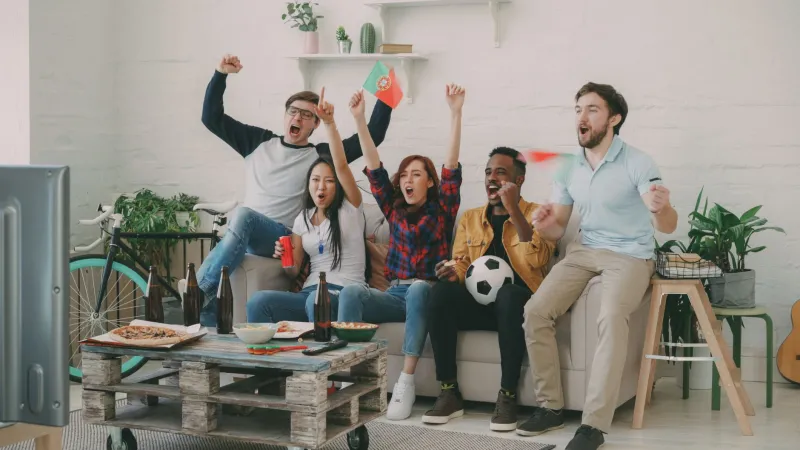
There's a particular kind of magic that only exists in a proper British sports pub on matchday. The windows steamed up. Someone's pint sloshing over the edge as they leap off their stool. A stranger from three stools down slapping you on the back like you've been mates since primary school. For millions of fans across Britain, that experience wasn't just a prelude to the match — it was the match.
So why is it disappearing?
The Numbers Don't Lie
Britain has been losing pubs at a frightening pace for over a decade, but something more specific and more heartbreaking is happening to the sports pub in particular. According to industry figures, the UK shed more than 400 pubs in the first half of 2024 alone. That's not just a statistic — that's 400 communities losing a room where sport was shared, argued over, and celebrated in the way it was always meant to be.
Pete Holloway has run The Anchor in Wolverhampton for eleven years. He remembers when a Saturday afternoon meant queuing out the door from noon. "We'd have the Championship on one screen, rugby on another, and someone always trying to convince me to stick the darts on as well," he says with a tired laugh. "Now I'm lucky if I fill a quarter of the pub for a Premier League kickoff."
 Photo: The Anchor, via i.pinimg.com
The irony isn't lost on him. Sport has never been more available. And yet the sports pub has never been emptier.
Streaming Killed the Pub Star
The economics have shifted brutally against landlords who want to show live sport. A pub licence for Sky Sports and TNT Sports together can cost upwards of £20,000 a year depending on the size of the venue. That's before you've bought a single barrel of lager or paid a member of staff. Meanwhile, a household subscription to the same channels costs a fraction of that — and comes with a sofa, a fridge, and no last orders.
Then there's the newer threat. DAZN, Amazon Prime, and a constellation of streaming platforms have carved up rights in ways that make it practically impossible for a landlord to legally show everything without bankrupting themselves in the process. "I had a bloke come in last month furious because I wasn't showing a boxing match he wanted to watch," Pete explains. "It was on a platform I'd never even heard of. What am I supposed to do?"
What's happening isn't just a business problem. It's a cultural rupture.
The Community That's Going With It
Ask anyone who grew up watching sport in a pub and they'll tell you the same thing: the screen was almost secondary. The pub was where you processed sport. Where you debated, argued, consoled each other, and occasionally embarrassed yourself in front of people you'd never met.
Sheila Okafor has been a regular at her local in Nottingham for twenty-two years. She watched England's 2003 Rugby World Cup final win there, screaming herself hoarse at 4am. She watched the 2012 Olympics in there, sharing tables with people she'd never spoken to before that summer. "That pub was a community centre that served beer," she says simply. "When it closed last March, there was nowhere to go. Not really."
 Photo: England 2003 Rugby World Cup final, via e0.365dm.com
Her local had tried everything — quiz nights, live music, themed matchday menus. Nothing was enough to offset the subscription costs and the post-pandemic dip in footfall that never fully recovered.
The Landlords Fighting Back
Not everyone is surrendering quietly. In Bristol, The Sportsman's Arms has reinvented itself as a destination rather than a convenience. They show obscure sports — Gaelic football, kabaddi, Australian rules — alongside the mainstream fixtures, building a cult following of fans who can't find their sport anywhere else on a screen worth watching.
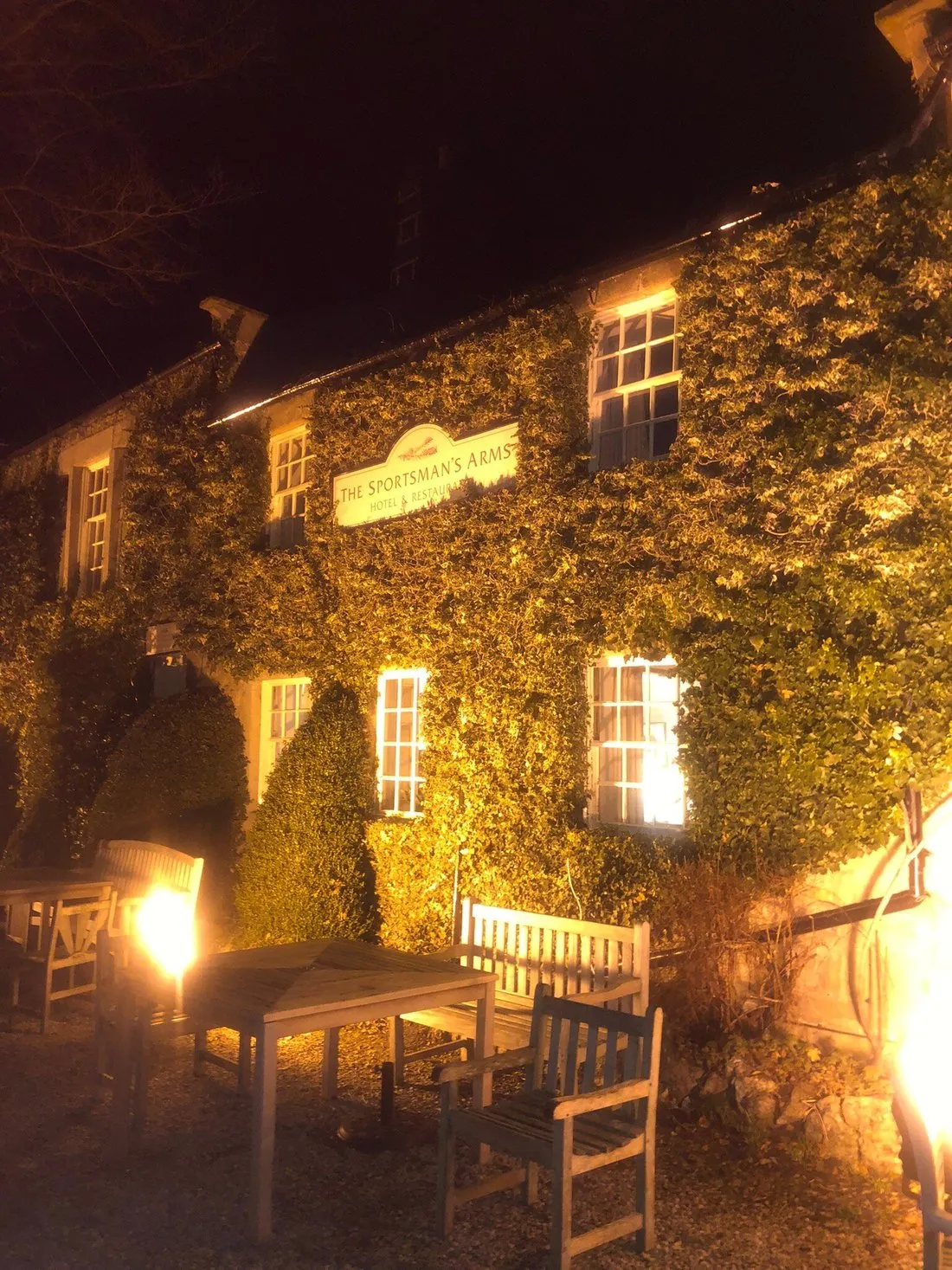 Photo: The Sportsman's Arms, via dynamic-media-cdn.tripadvisor.com
"We leaned into the weird stuff," says landlord Dan Ferretti, who freely admits the model shouldn't work on paper. "But people come in because they know they'll see something they've never seen before, and they'll watch it with someone who actually cares about it."
In Leeds, a group of regulars at a pub facing closure actually crowdfunded to help their landlord cover the cost of a sports licence renewal. They raised £6,000 in a fortnight. The pub is still open. The gesture says everything about what these places mean to the people who use them.
What We Lose When the Lights Go Out
There's a mental health dimension to this crisis that rarely gets discussed. For many regulars — particularly older men, isolated communities, people who live alone — the sports pub was the weekly social anchor. The thing that got them out of the house on a Saturday. The guaranteed conversation, the shared experience, the sense of belonging to something larger than yourself.
Sport has an extraordinary power to connect people across every conceivable divide. The pub was where that power was most democratically available. You didn't need a season ticket. You didn't need a premium subscription. You just needed to walk through the door.
As those doors close one by one, we should be asking harder questions about what replaces that function — because right now, the honest answer is nothing.
The match goes on. The pub doesn't always.