Blood, Bragging Rights, and Brilliant Grudges: A Love Letter to Britain's Greatest Local Derbies
Blood, Bragging Rights, and Brilliant Grudges: A Love Letter to Britain's Greatest Local Derbies
Forget the Sky Sports cameras and the corporate hospitality boxes. The most electrically charged sporting occasions in Britain happen in places you've probably never heard of, between clubs whose names mean everything to the people who live five minutes from the ground and absolutely nothing to anyone else. This is a love letter to the local derby — glorious, ridiculous, and utterly irreplaceable.
What the Big Clubs Can't Buy
The Premier League will tell you that the Manchester derby is the greatest club rivalry in English football. They will show you the viewing figures, the global audience, the social media impressions. And they are, technically, not wrong.
But ask the bloke in the Matlock Town end whether he feels the same electricity watching his side face Belper Town on a Tuesday night in November — bitter wind, floodlights flickering, half the town crammed into one end of the ground — and he'll tell you something the television executives will never quite understand. That feeling isn't manufactured. It isn't sold in packages. It belongs entirely to the people inside that ground, and it always has.
Local derbies are British sport at its most raw, most honest, and most unhinged. And we absolutely love them for it.
The Market Town Showdowns
There is a particular breed of non-league derby that empties entire market towns on a Saturday afternoon. These are matches where the opposing clubs are separated by four miles and forty years of accumulated resentment, where a result in October will still be discussed in the pub at Christmas, and where the referee is guaranteed a deeply unpleasant afternoon regardless of how well he performs.
Take the rivalry between Bamber Bridge and Chorley in Lancashire. On the surface: two modest Northern Premier League clubs. In practice: a fixture that generates a level of intensity that would embarrass clubs several divisions higher. Former Bamber Bridge midfielder Danny Rowe once described the atmosphere at their derby clashes as "like playing in a cauldron, except the cauldron is in a car park and everyone knows your mum."
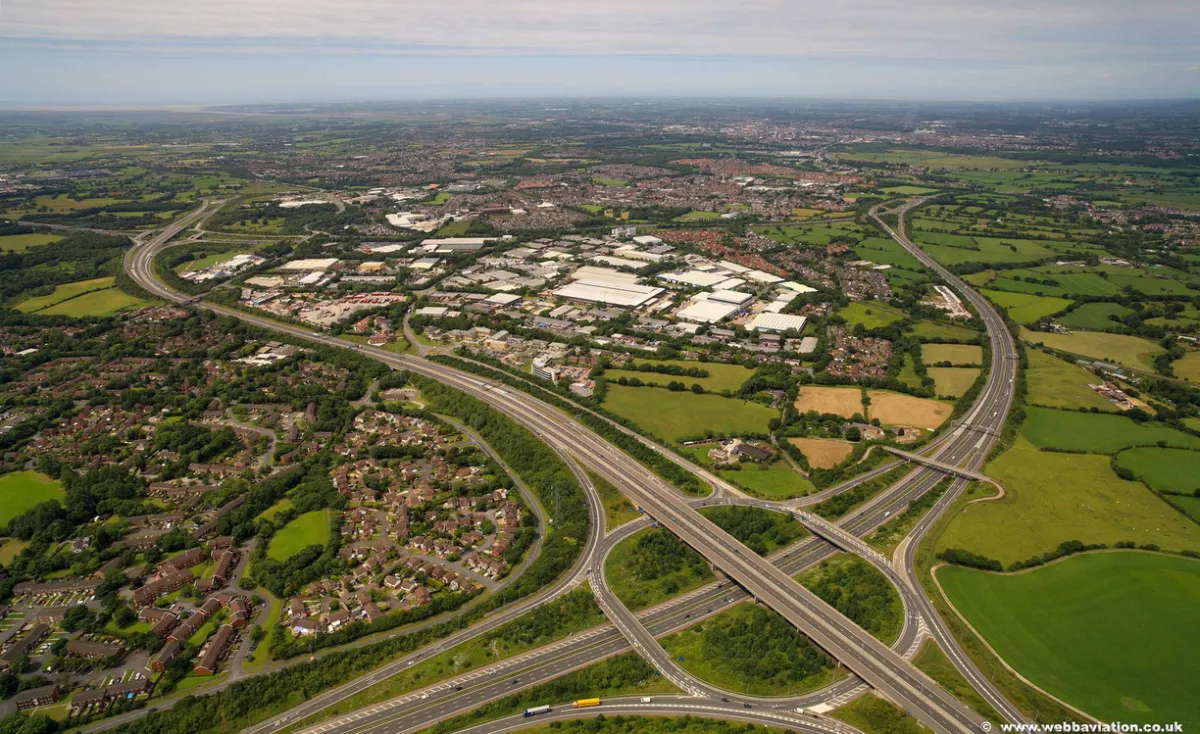 Photo: Bamber Bridge, via www.webbaviation.co.uk
That's the thing about local derbies. The anonymity that protects Premier League players — the buffer of fame, of distance, of scale — simply doesn't exist at this level. These lads go to the same supermarkets, use the same kebab shops, sit in the same traffic. The stakes are intensely, almost uncomfortably personal.
Traditions That Make No Sense and Total Sense Simultaneously
Every proper local derby has its rituals, and the more baffling they are to outsiders, the more fiercely they are protected by those within.
In the Borders region of Scotland, the annual Common Ridings — ancient civic events that predate modern football entirely — take on an explicitly competitive edge between neighbouring towns that borders (pun intended) on the theatrical. The rivalry between Hawick and Galashiels, expressed through rugby, civic ceremony, and sheer collective stubbornness, has been simmering for well over a century. Ask anyone from either town about it and prepare to be there for a while.
Down in the West Country, the rivalry between Tiverton Town and Bideford FC carries with it a tradition of pre-match banter so elaborate that both clubs' social media teams now essentially exist to wind each other up in the weeks before their meetings. The actual football is almost secondary. Almost.
And then there are the school derbies — the fixtures that plant seeds of rivalry so deep they grow into something permanent. The annual rugby match between Sedbergh School and Giggleswick in North Yorkshire has been contested since the 1880s. Former pupils will travel hours to watch it. Some of them haven't spoken to anyone from the opposing school since roughly 1994, and they consider this entirely reasonable.
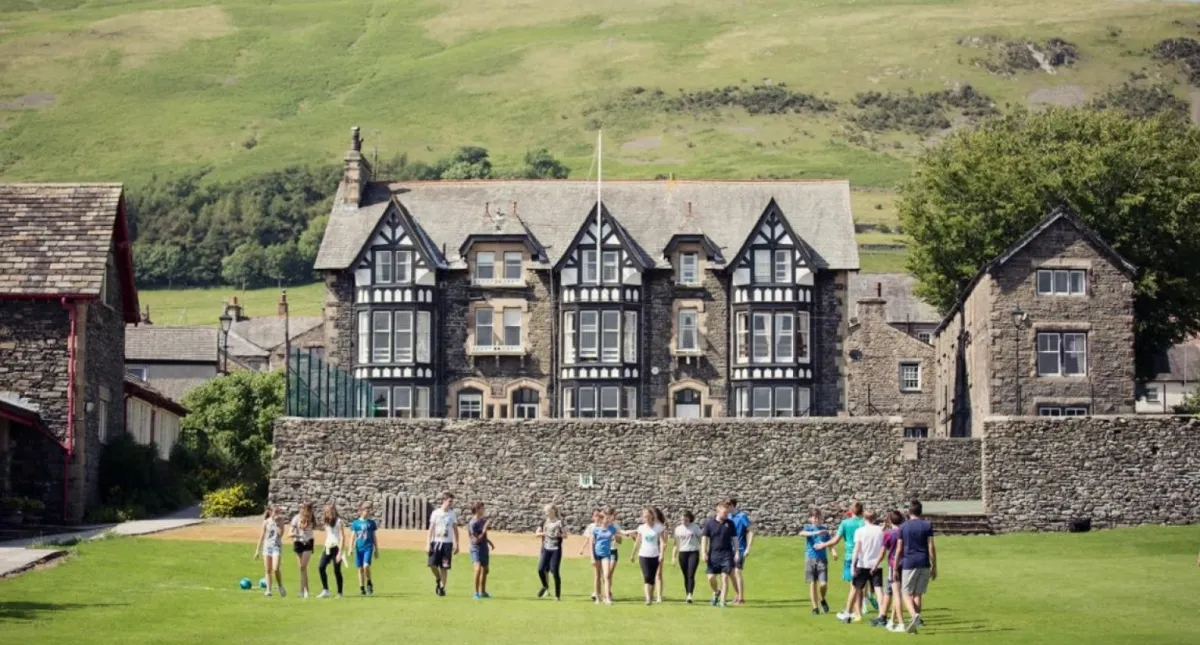 Photo: Sedbergh School, via images.squarespace-cdn.com
The Neighbours Who Haven't Spoken Since 1987
No piece about local derbies is complete without acknowledging the collateral damage — the friendships paused, the family Christmases navigated with diplomatic precision, the neighbours who maintain a perfectly cordial relationship eleven months of the year and a state of cold war for the remaining four weeks.
Margaret, 67, from Wolverhampton, has watched the local rivalry between two amateur cricket clubs in her village define the social landscape of her community for four decades. "My husband supports one, my brother-in-law the other. Every August when they play each other, we pretend we're not related for approximately two weeks. It's tradition. We'd be lost without it."
This is the texture that televised sport can't replicate. The genuine, lived-in, multigenerational quality of a rivalry that exists entirely outside the attention of broadcasters or sponsors. Nobody is performing for a camera. Nobody is playing for a global audience. They are playing for each other, and for the bragging rights that will be exercised — with extraordinary relish — at the working men's club afterwards.
Why This Stuff Actually Matters
There's a tendency to be slightly embarrassed about local derbies, to treat them as a charming anachronism in an age of globalised sport. That tendency is wrong.
Local rivalries are the connective tissue of British sporting culture. They are what attach communities to their clubs, what give sport its meaning beyond the scoreline, what make a Tuesday night in November feel like something worth leaving the house for. They produce the kind of commitment — financial, emotional, physical — that no amount of marketing spend can manufacture.
When a non-league club draws twice their usual attendance for a local derby, that's not a novelty. That's sport doing exactly what sport is supposed to do: bringing people together around something that genuinely matters to them.
The fancy dress. The feuds. The forty-year grudges nursed with extraordinary care. The bizarre trophies that look like they were made in a school metalwork class. The post-match arguments that will run until the rematch in spring.
This is British sport. And it's magnificent.