Ground Rules: The Unlikely Flatmates of British Sport Who've Cracked the Code
When Opposites Attract
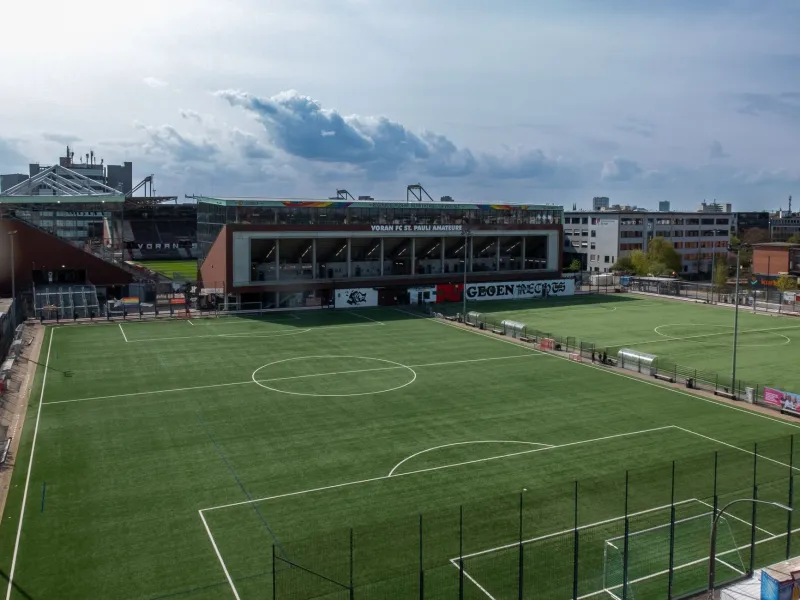
Picture this: it's 3pm on a Saturday afternoon at Wickford Cricket Club in Essex. The last leather-on-willow action wrapped up two hours ago, but the ground is far from quiet. Goals have appeared at either end of the square, and two local football teams are battling it out in what might be the most unusual derby in non-league football.
 Photo: Wickford Cricket Club, via mystiquetenerife.com
Welcome to Britain's groundshare revolution — where necessity has become the mother of sporting invention, and some of the most unlikely partnerships are producing the most remarkable results.
"People said we were mad," laughs Sarah Henderson, secretary of both Wickford CC and the newly-formed Wickford United FC. "Cricket and football don't mix, they said. The pitches are different, the seasons overlap, the cultures clash. They were wrong on every count."
Five years later, Wickford's experiment has become the poster child for creative groundsharing. The cricket club's finances have stabilised thanks to football rental income, while United have risen three divisions playing on what their fans lovingly call 'the best-maintained pitch in the league.'
The Art of Sporting Compromise
Across Britain, similar stories are unfolding in car parks, community centres, and converted warehouses. The common thread isn't desperation — it's innovation born from practical thinking and a healthy dose of British pragmatism.
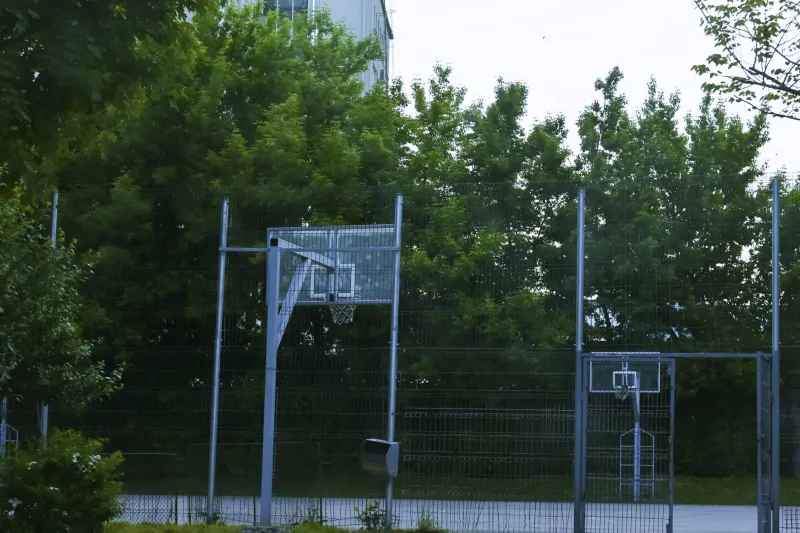
Take Coventry Phoenix Basketball Club, who've called a leisure centre home for eight years. What started as a temporary arrangement has evolved into something special. The club now runs coaching sessions for the centre's members, while the leisure centre provides equipment storage and administrative support.
 Photo: Coventry Phoenix Basketball Club, via www.rowadalaamal.com
"We're not tenants anymore," explains Phoenix coach Marcus Williams. "We're partners. The centre gets basketball expertise they couldn't afford to hire, and we get a proper home base instead of chasing different venues every week."
The numbers back up the feel-good factor. Phoenix's membership has tripled since the partnership began, while the leisure centre reports a 40% increase in basketball court bookings from casual players inspired by watching the club train.
Breaking Down the Walls
Perhaps the most striking example comes from Blackpool, where Bloomfield Boxing Club shares space with a dance studio above a fish and chip shop. The arrangement sounds like the setup for a comedy sketch, but it's deadly serious business.
 Photo: Bloomfield Boxing Club, via i.pinimg.com
"Monday, Wednesday, Friday — that's our time," says head trainer Jimmy Walsh, whose fighters include two national champions. "Tuesday, Thursday, Saturday belongs to the dancers. Sunday we all rest, and the chippy downstairs feeds half of Blackpool."
The unlikely partnership works because both activities need similar space requirements: sprung floors, mirrors, and room to move. More importantly, both communities have embraced the overlap. Dance students regularly watch boxing training sessions, while several boxers have taken up dance to improve their footwork.
"My left hook's never been better," grins amateur welterweight Danny Price, who credits salsa lessons with improving his ring movement. "And I can waltz like you wouldn't believe."
The Money Game
Behind every successful groundshare story lies cold, hard economics. Traditional sports facilities are expensive to maintain and often sit empty for large portions of the week. Sharing costs makes sense, but the best arrangements go beyond simple cost-splitting.
Rochdale Table Tennis Club's partnership with a local primary school exemplifies this approach. The club uses the school hall three evenings a week and provides free coaching for pupils during PE lessons. The school saves money on external sports coaching while the club builds its junior membership base.
"It's not charity," insists club chairman Peter Thompson. "It's investment. These kids are our future members, coaches, and volunteers. We're growing the sport while covering our costs."
The model has proved so successful that five other local schools have approached the club about similar arrangements.
Cultural Shifts
What makes these partnerships work isn't just practical compatibility — it's cultural evolution. Traditional British sport can be tribal and insular, but groundsharing forces different communities to interact and adapt.
At Harrogate Squash Club, which shares facilities with a yoga studio, the changes run deeper than scheduling. Members from both activities socialise in the shared café area, leading to cross-participation and new friendships.
"I never thought I'd see squash players in meditation classes," admits club manager Linda Foster. "But here we are. The yoga crowd has mellowed out some of our more intense members, while we've introduced them to the competitive side of sport."
Looking Forward
As property costs continue rising and traditional sports club membership models face pressure, these creative partnerships offer a glimpse of sport's future. They're not perfect solutions — scheduling conflicts still arise, and personality clashes can derail even the best-intentioned arrangements.
But for every story of groundshare failure, there are three more of unexpected success. Communities are discovering that sharing space doesn't mean compromising identity — it means expanding it.
"We're still a cricket club," reflects Sarah Henderson from Wickford. "But we're also part of something bigger now. The football lads help with our boundary maintenance, and our ladies make tea for their matches. It's not just groundsharing anymore — it's community building."
In a sporting landscape often dominated by mega-money transfers and corporate ownership, these humble partnerships remind us that sport's greatest power lies in bringing different people together. Even if they have to share the changing rooms.