Hoops, Hope, and a Town That Used to Only Care About Scrums
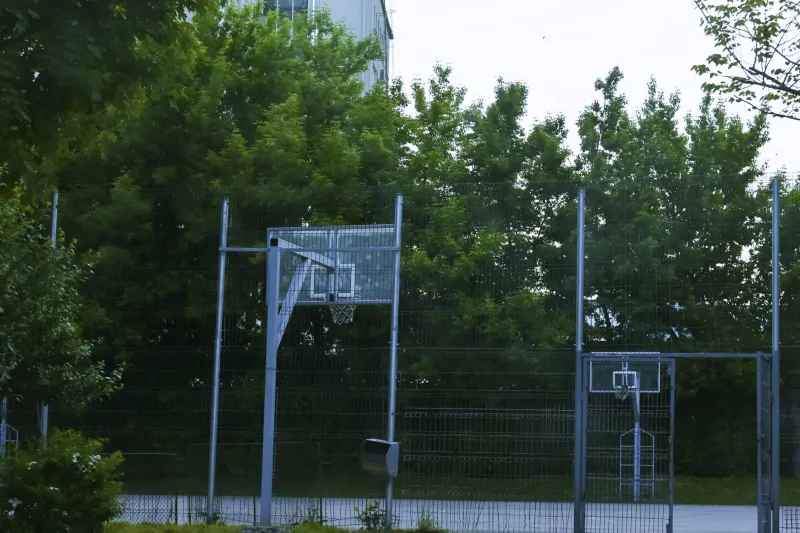
There's a moment in Castleford — deep in rugby league heartland, where the game isn't just a sport but practically a religion — where you turn a corner near the town centre and hear the unmistakable squeak of trainers on a hardwood floor. Inside a converted leisure centre that smells faintly of chlorine and ambition, a group of lads in their late teens are running three-on-three drills. Half of them grew up watching the Tigers. Most of their dads played amateur league. And yet here they are, learning pick-and-rolls like they were born to it.
This is Britain's quiet sporting revolution. Not the one with Premier League money or Olympic glory attached to it — the one happening in church halls, converted warehouses, and school gyms up and down the country, where communities fiercely proud of their traditional sporting identity are quietly, enthusiastically falling for something entirely new.
The Unlikely Invasion
Basketball's growth in the UK has been well-documented at the elite level. The British Basketball League has been expanding, the NBA has made increasingly aggressive moves into the British market, and the influence of American culture through music, social media, and streaming has made the sport aspirationally cool in a way it simply wasn't twenty years ago.
But what's less reported is the grassroots geography of this shift. It isn't happening uniformly across Britain. It's happening specifically in places you wouldn't expect — towns with deeply ingrained sporting identities, where the local club isn't just a club but a community anchor. Batley. Barrow. Featherstone. Leigh. Places where rugby league is woven into the social fabric so tightly that switching codes, let alone switching sports entirely, feels almost transgressive.
And yet, here we are.
"I had a dad come up to me last season," says Marcus Webb, who runs a basketball development programme in a West Yorkshire town that shall remain nameless to protect his relationship with the local rugby club down the road. "He said, 'I want to be angry about this because my lad should be playing league, but he's fitter than he's ever been and he's got mates from four different schools. What am I supposed to say?'" Marcus grins. "I told him to buy a basketball."
Cultural Friction and Unlikely Converts
It would be dishonest to pretend this transition is always warm and fuzzy. In some communities, the arrival of a new sport — particularly one with American cultural connotations — is viewed with suspicion bordering on hostility. Rugby league towns in particular carry a fierce working-class pride in their sport, one that has survived decades of being dismissed by the southern establishment. The idea that their kids might drift toward something seen as flashier, less physical, more imported, can sting.
"There's definitely a sense from some of the older generation that it's a betrayal," admits Donna Hartley, who chairs a community sports trust in West Cumbria. "But I always say — these kids aren't abandoning rugby. They're just adding something. The two things can coexist."
In Donna's area, it isn't basketball making inroads but volleyball — specifically beach volleyball, played on an artificial surface installed beside a leisure centre that was nearly shut down four years ago. The players skew younger, and the atmosphere is noticeably different from the town's rugby union club up the road. Louder music. More social media. Different energy entirely.
And then there's kabaddi.
In parts of Leicester, Birmingham, and Bradford, kabaddi — the contact sport with roots in South Asia that involves tagging opponents while chanting your own name — has been quietly thriving for years within British-Asian communities. But something interesting is happening now: it's crossing cultural lines. Youth workers in Bradford report non-Asian teenagers turning up to kabaddi sessions after seeing clips online, drawn by the physicality and the sheer spectacle of it. What was once a sport played within a community is becoming a sport played across one.
What It Says About Us
None of this happens in a vacuum. Britain's sporting identity has always been more fluid than the traditionalists like to admit. Football was once the interloper in rugby towns. Rugby league itself was a breakaway. The history of British sport is essentially a long argument about what belongs where and to whom.
What's different now is speed. Social media compresses the timeline of cultural influence dramatically. A teenager in Wigan can watch NBA highlights, find a local court, and be part of a functioning basketball community within weeks. The infrastructure of sport — coaching apps, YouTube tutorials, affordable kit — has democratised access to sports that once required specialist facilities or expensive club membership.
"The barriers are just lower," says Dr. Priya Sharma, a sports sociologist at the University of Leeds who has been studying this shift. "A sport doesn't need a hundred-year history in your town anymore to take root. It just needs twenty kids who think it looks brilliant."
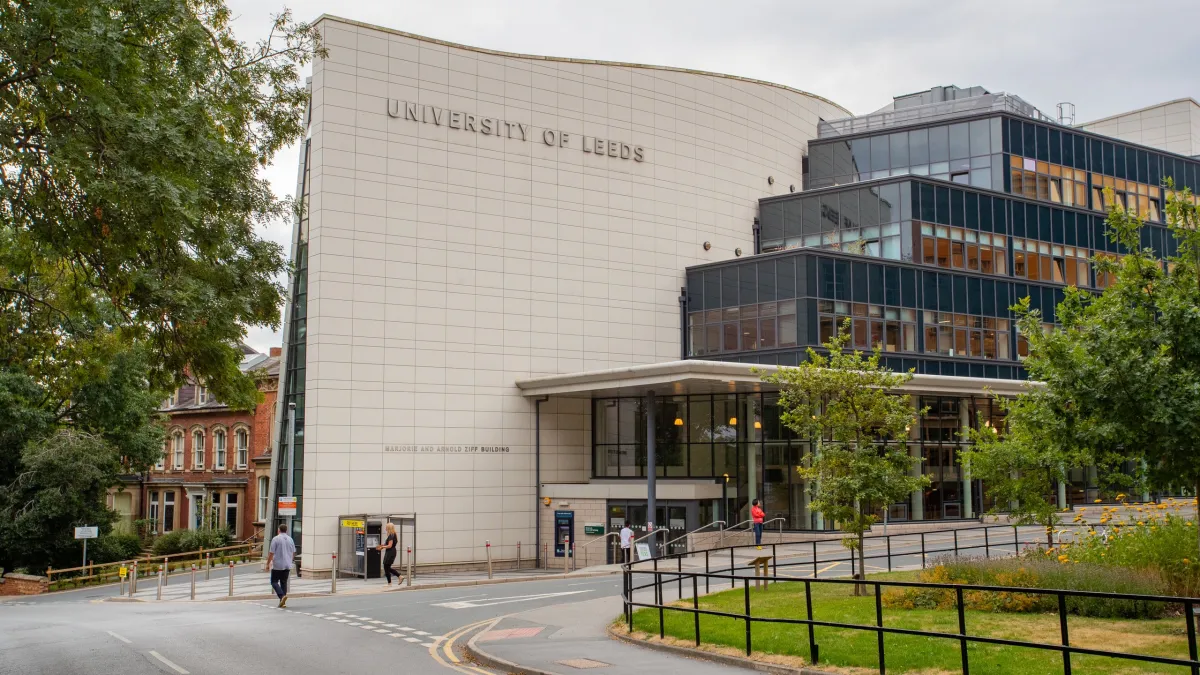 Photo: University of Leeds, via a.travel-assets.com
The Rugby Town That Got the Basketball Bug
Back in Castleford, the session has finished. The lads are sprawled on a bench, phones out, rewatching footage of their drills. One of them, a seventeen-year-old called Jamie, tells me he still goes to Tigers games with his grandad every other week. He's not replacing one thing with another. He's just doing both.
"Rugby's always going to be here," he says, bouncing a ball idly on the floor. "But basketball's mine, you know? I found it myself."
That might be the most telling line of all. In a sporting landscape increasingly shaped by inheritance — the team your dad supported, the sport your school happened to offer — there's something quietly radical about a young person in a rugby league town choosing their own sporting identity from scratch.
Britain's sporting map is being redrawn, one converted gym at a time. And honestly? It looks more interesting than the original.