From Concrete Cathedrals to Muddy Miracles: My Weekend Chasing Britain's Sporting Soul
Friday Night: Where Dreams Go to Die (Beautifully)
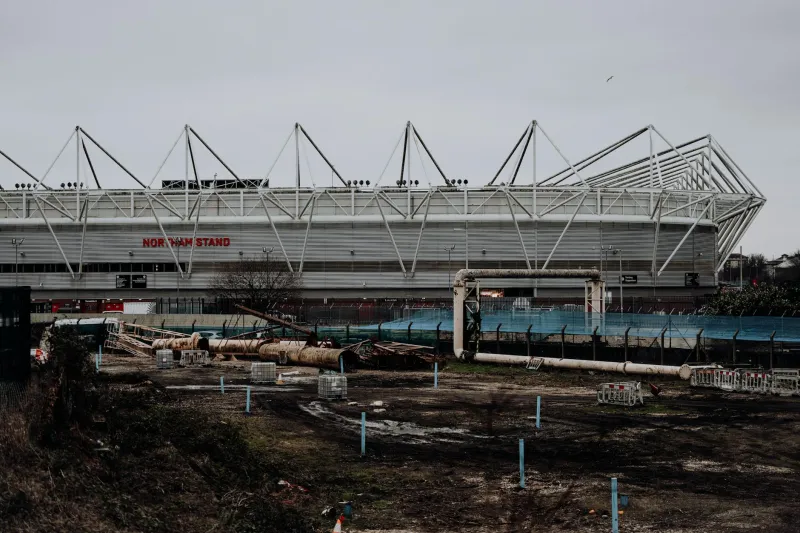
The floodlights at Chorley FC flicker like a dodgy pub sign, casting uneven shadows across a pitch that's seen better decades. I'm 300 miles from home, clutching a lukewarm Bovril and watching two teams battle for three points that might mean promotion or relegation – nobody's quite sure which.
 Photo: Chorley FC, via mhtdesign.net
This is stop one of my mad weekend mission: to understand what British sport actually is by visiting five wildly different venues in 48 hours. Because if you want to know a nation's soul, you don't read the tourist brochures – you follow its sporting heartbeat.
The crowd here numbers maybe 400 on a generous count. Behind me, three generations of the same family are arguing about whether the ref's having a laugh or just having a mare. A bloke in paint-splattered overalls shouts tactical advice that would make Guardiola weep. The tea hut sells chips in newspaper, and somehow this feels more authentic than anything I've experienced at Wembley.
"This club saved my life," says Margaret, 73, who's missed three games in forty years. "When my husband died, this place kept me going. These people, this routine – it matters more than anyone understands."
The final whistle blows on a 1-1 draw that nobody will remember by Tuesday. But the handshakes, the post-match pints, the promises to see each other next week – this is the stuff that holds communities together when everything else falls apart.
Saturday Morning: Welcome to the Future
Eight hours later, I'm standing in the Lee Valley VeloPark, and I might as well have travelled to Mars. Everything gleams. The track curves like a work of art, the building hums with efficiency, and the cyclists whizzing past look like they've been designed by Apple.
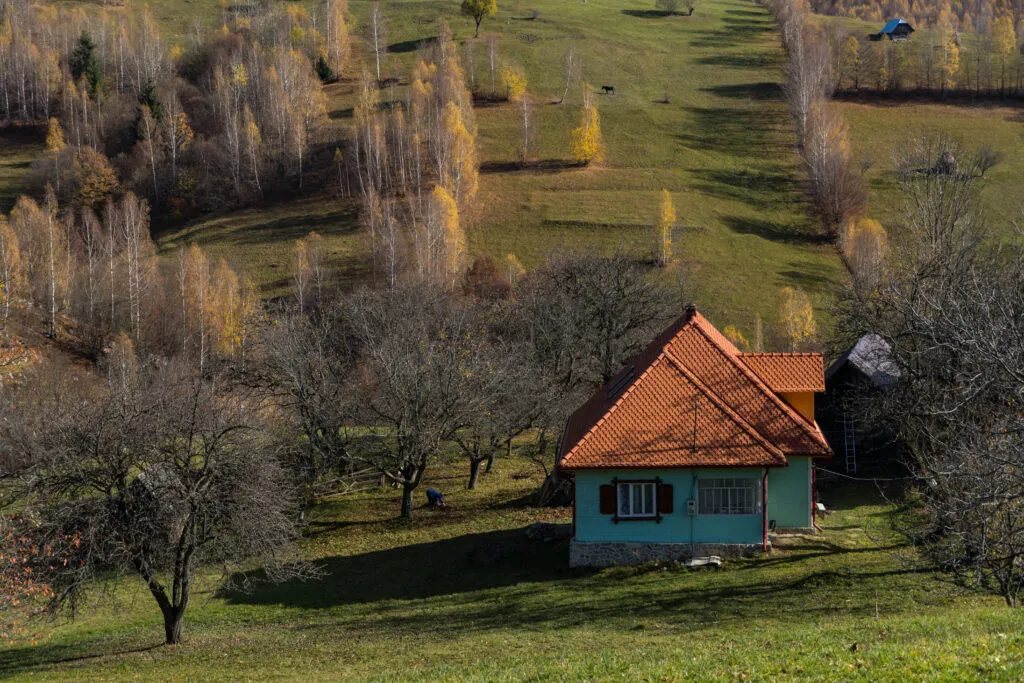 Photo: Lee Valley VeloPark, via www.exploregis.ro
This is British sport's shop window – the legacy of London 2012, where lottery funding meets architectural ambition. The contrast with last night couldn't be starker, yet somehow both venues serve the same fundamental purpose: bringing people together through shared obsession.
"We get kids here who've never seen a velodrome," explains coach Sarah Williams, watching a group of teenagers from East London take their first tentative laps. "Some travel two hours just to train. The talent we're uncovering is incredible."
But there's a tension here too. The session costs £15 – pocket change for some, a week's lunch money for others. The postcode lottery of sporting opportunity is alive and well, even in these gleaming temples to equality.
I watch a 14-year-old from Hackney absolutely flying around the track, natural talent oozing from every pedal stroke. Her mum works three jobs to afford these sessions. Meanwhile, a private school group rocks up with matching kit and personal coaches.
British sport in microcosm: brilliant facilities, incredible talent, and the same old questions about who gets to play.
Saturday Evening: Where Tradition Meets Madness
By evening, I'm in Birmingham, watching the most surreal sporting event of my life: indoor speedway. Yes, that's motorbikes racing around a tiny track inside an arena, while 3,000 people go absolutely mental.
The noise is biblical. The smell of methanol and hot dogs fills the air. Riders with names like "Bomber" and "Lightning" hurtle around corners at speeds that defy physics and common sense.
"People think we're mad," grins team manager Dave Thompson, shouting over the engine roar. "They're probably right. But this sport's been in my family for sixty years. My grandson's already asking when he can start."
This is British sport's beautiful stubbornness – the refusal to let anything die just because it's unfashionable. While football dominates the headlines, thousands of people dedicate their lives to sports most of the country has forgotten exist.
Sunday Morning: Rowing Against the Tide
The final stop is Whitstable Rowing Club, where the English Channel provides both backdrop and opponent. It's 7 AM, freezing cold, and a dozen pensioners are launching boats into choppy waters like it's the most natural thing in the world.
 Photo: Whitstable Rowing Club, via www.paginainizio.com
"Started rowing at 65," says retired teacher Jim Morrison, adjusting his life jacket. "Doctor said I needed exercise. Didn't expect to become obsessed."
This is grassroots sport at its purest – no sponsors, no spectators, just people pushing themselves against the elements because it makes them feel alive. The clubhouse is basically a shed with delusions of grandeur, but the camaraderie could power a small town.
Watching these silver-haired athletes battle the waves, I'm struck by something profound: British sport isn't really about winning or losing, facilities or funding. It's about belonging. It's about having somewhere to go on a Saturday where people know your name and share your obsessions.
The Verdict: A Beautiful Mess
Forty-eight hours, five venues, one revelation: British sport is a glorious contradiction. We've got world-class facilities sitting next to crumbling grounds. We produce Olympic champions and celebrate cheese-rolling with equal enthusiasm. We're simultaneously the most professional and most amateur sporting nation on earth.
At Chorley, sport was community glue. At Lee Valley, it was social mobility. In Birmingham, it was pure tribal joy. In Whitstable, it was personal redemption.
Each venue told a different story, but they all shared something essential: the belief that sport matters, that showing up matters, that being part of something bigger than yourself is worth the effort.
As I drove home, exhausted and exhilarated, one thing was crystal clear: you can't understand British sport from the sofa. You have to get out there, breathe the atmosphere, meet the people who make it happen.
Because ultimately, British sport isn't about the venues at all. It's about the people who fill them, week after week, year after year, keeping the beautiful madness alive.