Where Champions Once Played: The Heartbreaking Map of Britain's Lost Sporting Temples
The Last Dive at Crystal Palace
On a grey Tuesday morning in March 2018, the final swimmer completed their last length at Crystal Palace National Sports Centre. By evening, the pool where Duncan Goodhew perfected his breaststroke and Sharon Davies dominated British swimming was drained forever. Within months, luxury flats would rise where Olympic dreams once took shape.
 Photo: Crystal Palace National Sports Centre, via www.wheregoesrose.com
It wasn't supposed to end this way. Crystal Palace wasn't just any pool – it was the beating heart of British aquatics for over four decades. Every major British swimmer from the 1970s onwards had trained in those lanes. The echoes of starting pistols and the splash of championship races had filled that space for generations.
Now it's gone, replaced by 'executive apartments' with names like 'Aqua House' – a cruel irony that nobody involved seemed to appreciate.
The Athletic Graveyard We've Created
Crystal Palace wasn't an isolated tragedy. Across Britain, sporting venues that once hosted world-class competition and nurtured future champions have quietly vanished beneath concrete and commerce. The pattern is depressingly familiar: financial pressures mount, local authorities sell to the highest bidder, communities lose their sporting heart.
Cosford Stadium in Wolverhampton, where Denise Lewis trained for Olympic gold, was demolished in 2019. The site now houses a retail park. Don Valley Stadium in Sheffield, which hosted World Student Games and countless athletics meetings, was bulldozed in 2013. A housing estate stands in its place.
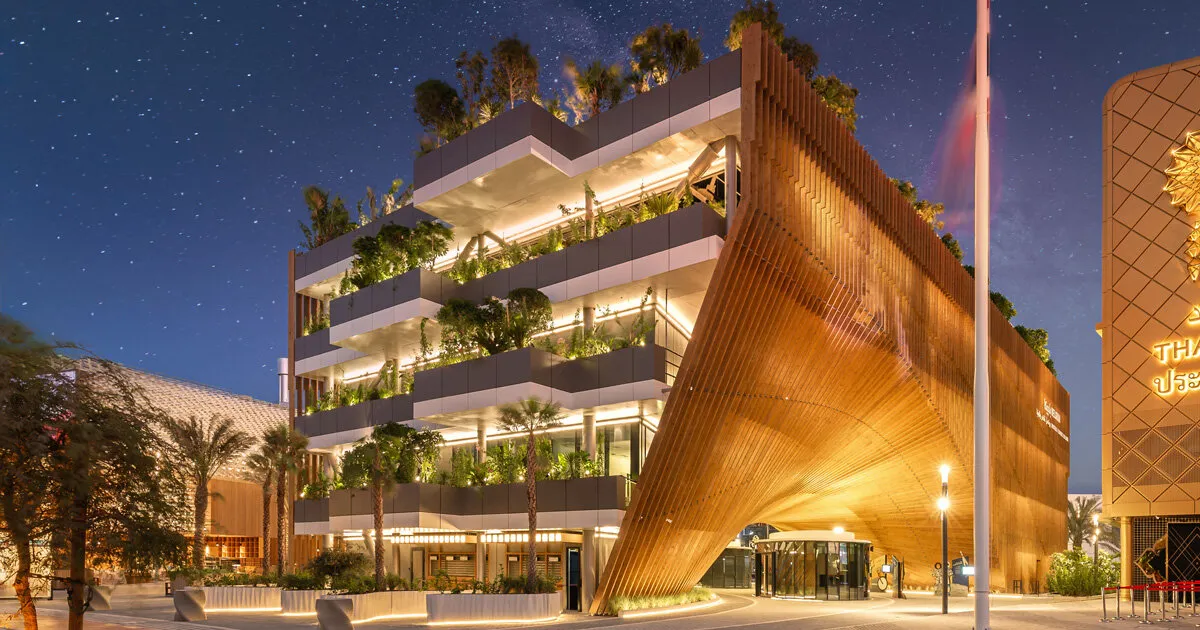 Photo: Don Valley Stadium, via www.designboom.com
Each demolition represents more than lost bricks and mortar. These venues were ecosystems – places where talent was spotted, dreams were born, and communities gathered around shared sporting passion.
When Football Lost Its Soul
Football hasn't escaped this cultural vandalism. Some of the game's most atmospheric grounds have been sacrificed to property developers with no understanding of what they were destroying.
The Baseball Ground in Derby, where Brian Clough worked his magic and where generations of fans created an atmosphere that visiting teams feared, was flattened in 2003. Pride Park, its soulless replacement, has never captured the same magic despite being technically superior in every way.
 Photo: The Baseball Ground, via img.mlbstatic.com
Saltergate, Macclesfield Town's ramshackle but beloved home, was demolished in 2021 after the club's collapse. The ground where Silkmen fans had congregated for over a century now sits empty, a monument to football's financial fragility.
"You can't replicate history," says former Macclesfield defender Steve Macauley. "Those old grounds had character, atmosphere, stories in every stand. New stadiums are impressive, but they're missing the soul that made football special."
The Swimming Pool Apocalypse
No sport has suffered more venue losses than swimming. Britain has lost over 400 public pools since 1995, with many historic facilities falling victim to maintenance costs and changing leisure preferences.
Portsmouth's Pyramids Centre, an iconic 1980s complex where future Olympians learned to swim, was demolished in 2018. Locals campaigned for years to save it, but economics trumped sentiment. The replacement facility is smaller, with reduced pool space and no diving facilities.
In Coventry, the 50-metre pool at the city's main leisure centre was filled in and converted to a gym. The decision meant young swimmers lost their only opportunity to train in Olympic-standard conditions without travelling to Birmingham or Leicester.
"We're creating a generation of swimmers who've never experienced racing in a proper pool," explains former British Swimming coach Janet Thompson. "You can't develop elite athletes in 25-metre community pools. We're systematically destroying the infrastructure that created our Olympic success."
Athletics Tracks: Going, Going, Gone
Britain's athletics infrastructure has been decimated over the past two decades. Tracks that once echoed with the spikes of future champions have been grassed over or built upon, leaving vast areas of the country without proper facilities.
The Meadowbank Stadium in Edinburgh, which hosted the 1970 Commonwealth Games and served as Scotland's premier athletics venue, was demolished in 2017. Its replacement is primarily a football stadium with limited athletics facilities.
Cosford, mentioned earlier, was particularly devastating for British athletics. The venue had hosted European Championships and served as a training base for elite athletes. Its loss left a massive hole in the Midlands' sporting infrastructure that has never been filled.
"When Cosford went, we lost more than a track," remembers former British sprinter Mark Richardson. "We lost a community. Coaches, athletes, officials – everyone connected to that place suddenly had nowhere to go. Some never found another athletic home."
The Economics of Destruction
The forces driving venue closures are complex but predictable. Local authorities face unprecedented budget pressures, with sports facilities often seen as non-essential services. Meanwhile, property values in urban areas make sporting venues sitting ducks for developers.
Maintaining a 50-metre swimming pool costs around £500,000 annually. An athletics track requires similar investment. For cash-strapped councils, selling to developers who offer millions upfront becomes an almost irresistible option.
But this short-term thinking ignores the broader costs. When venues close, communities lose gathering places, young people lose opportunities to discover sporting talent, and the pipeline that feeds British Olympic success gradually dries up.
The Human Stories Behind the Headlines
Behind every venue closure are human stories of dreams deferred and communities fractured. At Crystal Palace, swimmers who had trained there for decades suddenly found themselves homeless. Some travelled hours to find alternative pools; others simply gave up the sport.
Jenny Matthews, who coached at Crystal Palace for 25 years, watched her entire programme disintegrate when closure was announced. "Families had been coming to that pool for generations. Parents who learned to swim there were bringing their own children. When it closed, we didn't just lose a facility – we lost a sporting heritage."
Similar stories play out across the country. Football clubs fold when they lose their grounds. Athletics clubs disband when tracks close. Swimming clubs scatter when pools are demolished.
What We're Really Losing
The destruction of sporting venues represents more than infrastructure loss – it's cultural vandalism on a massive scale. These places aren't just buildings; they're repositories of memory, community, and shared experience.
When Wembley's twin towers were demolished in 2003, the outcry was immediate and sustained. But hundreds of smaller venues have vanished with barely a whimper, despite their equal importance to local communities.
Every lost venue reduces opportunities for the next generation to discover sporting passion. The child who might have become an Olympic swimmer never learns to love the water because their local pool was demolished. The teenager who could have been a world-class sprinter never sets foot on a track because none exists within travelling distance.
Islands of Hope in an Ocean of Loss
Not every story ends in demolition. Some communities have fought successfully to preserve their sporting heritage. The campaign to save Tooting Bec Lido mobilised thousands of supporters and secured its future. Herne Hill Velodrome, one of Britain's oldest cycling tracks, was saved through community action and National Lottery funding.
These successes prove that preservation is possible when communities mobilise and authorities listen. But they remain exceptions in a landscape dominated by loss.
The Price of Progress
As Britain continues to punch above its weight in international sport, it's worth remembering where that success originated. Every Olympic medal has roots in local venues where athletes first discovered their talent. Every world championship was built on foundations laid in community pools, athletics tracks, and sports halls.
We're now systematically destroying those foundations while expecting continued success at the highest level. It's sporting madness disguised as economic necessity.
The next time you watch British athletes competing for gold, spare a thought for the venues that shaped them – and the ones that no longer exist to shape the next generation. In our rush to modernise and monetise, we're bulldozing the very infrastructure that made British sporting success possible.
The concrete may be cheaper than maintenance, but what we're really losing is irreplaceable.