Whistle While You Work: The Unsung Heroes Getting Hammered for Sport
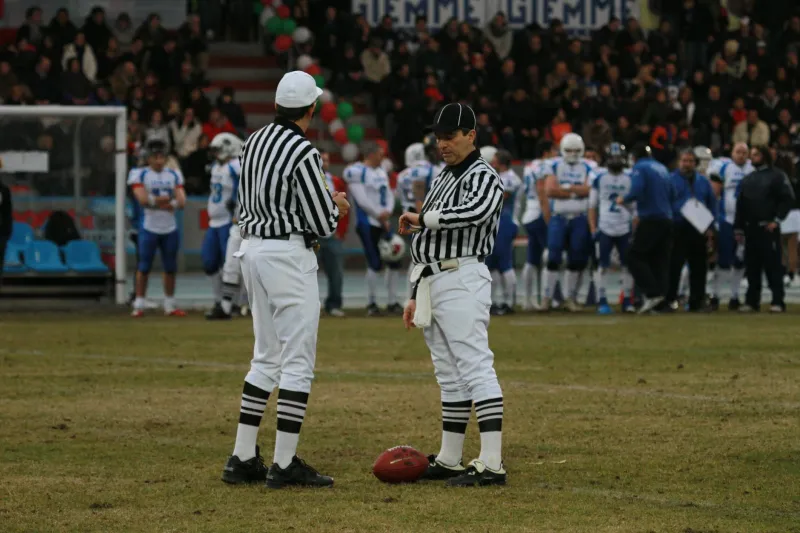
The Saturday Morning Exodus
Every weekend, thousands of British sports officials wake up knowing they'll spend their day being screamed at, questioned, and quite possibly threatened. Yet somehow, they still turn up. Well, most of them do.
The statistics paint a grim picture: referee numbers across British sport have plummeted by nearly 30% in the past five years. From grassroots football pitches in Grimsby to county cricket grounds in Kent, the men and women in the middle are walking away faster than you can say "advantage played."
"I've been doing this for fifteen years," says Mark Thompson, a Level 4 football referee from Manchester who recently hung up his whistle. "The abuse has always been there, but now it follows you home. My daughter showed me a Facebook post calling for me to be 'strung up' after a derby match. That was my breaking point."
More Than Just Football
Whilst football grabs the headlines, the crisis extends far beyond the beautiful game. Rugby referees report similar experiences, with one Premiership official telling us off-the-record: "The players are actually fine. It's the crowd that's become unbearable."
Cricket umpires face their own battles. County matches now regularly see social media pile-ons after contentious LBW decisions, whilst tennis line judges deal with everything from racket-throwing tantrums to online harassment campaigns.
The irony isn't lost on anyone: as technology makes officiating more accurate than ever, the criticism has somehow become more vicious.
The Social Media Nightmare
Twenty years ago, a referee's mistake lived and died with the final whistle. Today, it's dissected frame-by-frame on Twitter, shared endlessly on TikTok, and turned into memes that can destroy reputations overnight.
"I made one call in a local derby that people didn't like," explains Sarah Mitchell, a former rugby referee from Cardiff. "Within hours, there were edited videos making me look incompetent, people posting my work address, and someone even found my mum's phone number. For a community league match."
The Referee's Association reports that 60% of officials under 30 cite social media abuse as their primary reason for quitting. It's creating a vicious cycle: fewer young officials means older ones carry heavier workloads, leading to more burnout and further departures.
The Human Cost
Behind every controversial decision stands a person trying their best under impossible pressure. Take Premier League referee Michael Oliver, who received death threats after sending off a popular player in a crucial match. Or consider the Sunday league official who needs police escort to their car after a heated local derby.
"People forget we're human," says Dave Roberts, a veteran cricket umpire who's officiated county matches for two decades. "We make mistakes, just like players do. But when a batsman misses a catch, nobody suggests burning down his house."
The mental health impact is severe. The Professional Game Match Officials Limited (PGMOL) now provides mandatory counselling for top-flight football referees, whilst grassroots organisations struggle to offer similar support with limited budgets.
The Recruitment Crisis
With experienced officials leaving and fewer newcomers willing to take their place, British sport faces a genuine crisis. Youth football leagues regularly cancel matches due to referee shortages, whilst some amateur cricket associations have resorted to asking players to self-officiate.
"We're advertising referee courses constantly," explains Janet Phillips from the FA's referee development programme. "But for every ten people who express interest, maybe two actually sign up. And of those two, one usually quits within six months."
The financial incentives hardly help. A grassroots football referee might earn £25 for a match that involves two hours of travel and ninety minutes of abuse. Meanwhile, parking attendants and traffic wardens – jobs with similar public approval ratings – offer better pay and actual employment protection.
Technology: Helper or Hindrance?
VAR was supposed to reduce referee criticism by getting more decisions right. Instead, it's created new controversies whilst somehow making officials look more fallible. Every marginal call gets scrutinised to death, with pundits and fans alike demanding perfection that's simply impossible to achieve.
"Technology should be our friend," argues former Premier League referee Howard Webb. "But it's created unrealistic expectations. People think because we can see something in slow-motion from twelve different angles, the referee should spot it in real-time whilst running backwards."
Fighting Back
Some organisations are taking action. The FA's "Respect" campaign targets sideline behaviour, whilst several counties have introduced sin-bins for dissent. Social media platforms increasingly remove abusive content targeting officials, though critics argue it's too little, too late.
More importantly, clubs and leagues are starting to hold spectators accountable. Banning orders for abusive parents at youth matches, closed-door games for repeat offenders, and even criminal prosecutions for the worst cases.
The Way Forward
Britain's sports depend on officials willing to make split-second decisions under intense pressure. Without them, the games we love simply cannot exist. Yet we've created an environment where doing this job requires genuine courage.
The solution isn't complicated: treat referees like human beings rather than pantomime villains. Support their decisions even when you disagree. Remember that without them, there's no match to argue about.
As Mark Thompson puts it: "I loved officiating. I loved being part of the game. But I loved my family's safety more. Until that changes, British sport will keep losing people like me."
The whistle might be the loneliest sound in sport, but it doesn't have to be the most hated.