When Home Becomes Just Another Postcode: The Clubs That Chased Glory and Lost Their Hearts
The Great Migration That Nobody Asked For
There's something brutally ironic about modern football's obsession with 'home'. Every match programme bangs on about it, every pre-season interview mentions it, every marketing campaign weaponises it. Yet scratch beneath the surface of British football and you'll find clubs scattered across the landscape like refugees from their own histories, playing in stadiums that feel about as homely as a Travelodge.
The numbers tell a story that would make estate agents weep. Since 1990, over forty professional clubs across England and Scotland have either relocated entirely or been forced into temporary exile. Some came back. Many didn't. All of them learned the same harsh lesson: you can move a football club, but you can't move what made it matter.
When the Sky Blues Became the Sky Greys
Coventry City's story reads like a cautionary tale written in disappearing ink. Once the proud residents of Highfield Road — a proper football ground where the crowd practically breathed down your neck — they've spent the last decade ping-ponging between Birmingham, Northampton, and a soulless bowl in the suburbs that might as well be on the moon.
The stats are damning. Average attendance at Highfield Road in their final season: 17,500. Average attendance at the Ricoh Arena (now CBS Arena) in their first season back in the Championship: 12,000. That's 5,500 people who decided that following Coventry City wasn't worth the journey to a place that felt nothing like home.
"It's like your nan moving house," explains Terry, a season ticket holder since 1973. "Same person, same stories, but everything that made it special is back in the old place. You visit out of duty, not love."
The Seagulls That Flew Too Far From Shore
Brighton's journey from the Goldstone Ground to the American Express Community Stadium represents one of football's most celebrated relocations. The club was dying at Goldstone — literally crumbling beneath decades of neglect and dodgy ownership. The move to Falmer saved Brighton & Hove Albion as a football club.
But did it save Brighton & Hove Albion as Brighton & Hove Albion?
The new stadium is undeniably impressive. UEFA-standard facilities, perfect pitch, corporate boxes that actually work. Yet speak to supporters who remember the Goldstone and there's an unmistakable melancholy in their voices. The new ground holds 31,000; the old one held 36,000. The atmosphere that once made Brighton famous for punching above their weight now gets lost in the corporate hospitality areas and family sections.
"We had to move," admits longtime supporter Rachel. "But something died when we left Hove. The new place is brilliant for watching football. It's just not brilliant for being Brighton."
The Dons Who Never Came Home
No conversation about displaced football clubs can ignore AFC Wimbledon's unique situation. Born from the ashes of the original Wimbledon FC's controversial relocation to Milton Keynes, the 'new' Dons represent both the problem and the solution to football's identity crisis.
Their return to Plough Lane in 2020 was supposed to be the ultimate homecoming story. Fan-owned, community-driven, built on the exact spot where the original Dons had played. It should have been perfect.
Instead, it highlighted just how impossible it is to recreate what's been lost. The new Plough Lane holds 9,000; the old one held 8,000. The dimensions are almost identical, the postcode is the same, even some of the old terracing was incorporated into the design. Yet ask any supporter who remembers both incarnations and they'll tell you it's not the same place.
The Price of Progress
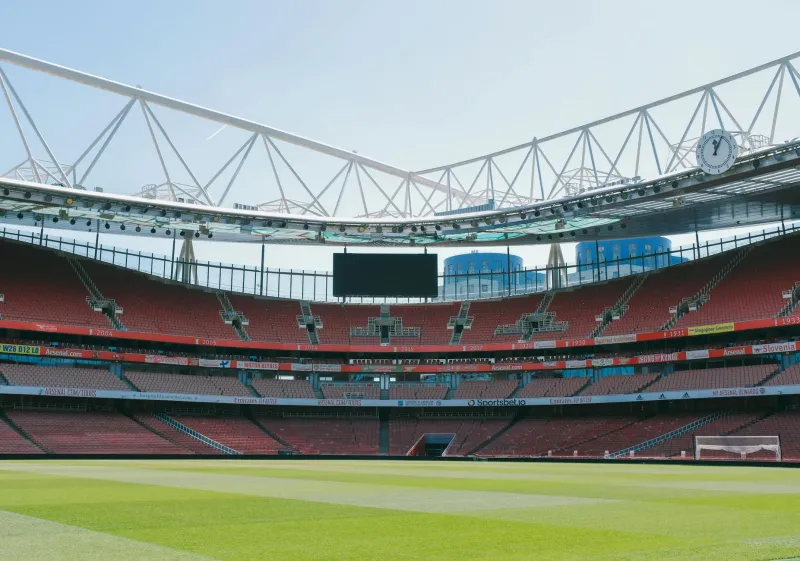
The financial logic behind these moves is unassailable. Modern stadiums generate more revenue, offer better facilities, meet safety standards that grounds from the 1970s simply can't match. Clubs like Arsenal, Leicester, and Southampton have thrived after relocating, using increased matchday income to compete at higher levels.
But the cultural cost is harder to quantify and impossible to ignore. When Hull City moved from Boothferry Park to the KC Stadium, they gained 25,000 seats and lost something indefinable. The same pattern repeats across British football: better facilities, worse atmosphere; higher capacity, lower connection.
"Football clubs aren't businesses that happen to play football," argues Dr. Sarah Mitchell, who studies fan culture at Manchester Metropolitan University. "They're cultural institutions that happen to generate revenue. When you move the institution, you break the culture."
The Ghosts of Grounds Past
Drive through any British city and you'll find them: empty plots where stadiums once stood, retail parks built on sacred turf, housing estates covering the penalty spots where legends were born. These aren't just demolished buildings; they're amputated limbs of communities that still feel the phantom pain.
The Dell in Southampton is now a housing estate. The Baseball Ground in Derby is a Pride Park retail complex. Highfield Road is a supermarket car park. Each represents a severed connection between a club and its history, a community and its gathering place.
What We Lose When We Move
The tragedy isn't that these clubs moved — sometimes they had no choice. The tragedy is that we pretend moving doesn't matter, that bricks and mortar are interchangeable, that 'home' is just a word in the programme notes.
Football clubs aren't franchises. They're not even really businesses. They're repositories of collective memory, places where grandfathers took fathers who took sons, where communities gathered for ninety minutes of shared joy and misery. When you move that repository, some of those memories get lost in transit.
The clubs that sold their soul for a new stadium didn't necessarily make the wrong choice. But they did make a choice, and choices have consequences. The consequence is that some things, once lost, can never quite be found again — no matter how impressive the new facilities might be.
In the end, home isn't where the heart is. Home is where the heart was. And some clubs are still searching for the way back.