When Football Clocks Off, Britain's Real Summer of Sport Kicks Off
When Football Clocks Off, Britain's Real Summer of Sport Kicks Off
Every May, something peculiar happens in Britain. The Premier League season ends, the back pages shrink, and a significant portion of the population behaves as though sport itself has clocked off for the summer. Pundits fill airtime with transfer rumours. Fans count down the weeks until pre-season friendlies. And all the while, some of the most compelling sporting action of the entire year quietly gets on with it — largely unnoticed, criminally underappreciated, and absolutely electric.
Let's fix that, shall we?
Cricket: The Long Game That Rewards the Patient
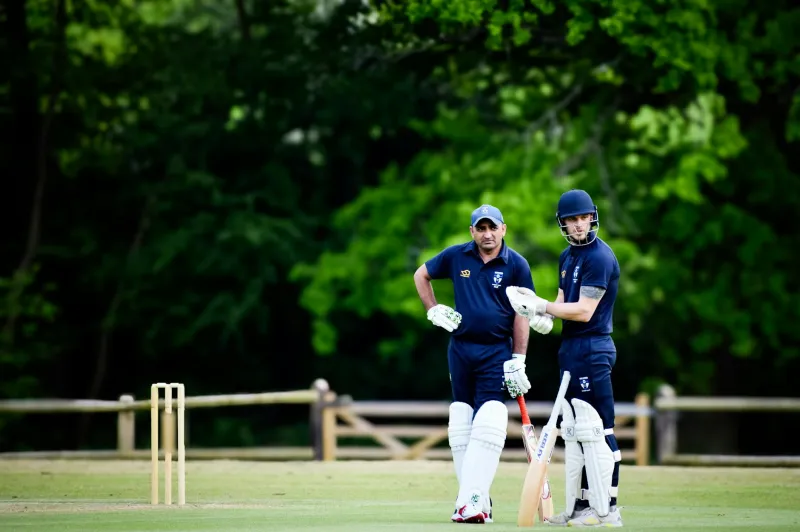
If you have never spent a full day at a county cricket match, you are missing one of the great British experiences. A flask of something warm, a slightly uncomfortable seat, the occasional flurry of wickets breaking the gentle rhythm of the afternoon — it is sport as a state of mind, and it is glorious.
But county cricket is just the warm-up act. When England host an Ashes summer, the whole country shifts on its axis. Trent Bridge. Edgbaston. Headingley. Lord's. These are not just venues — they are national events. The Bazball era under Ben Stokes and Brendon McCullum has transformed Test cricket into something urgent and unpredictable, filling grounds and pulling in viewers who previously dismissed the format as too slow.
England's red-ball renaissance is one of the genuinely exciting stories in British sport right now, and it plays out almost entirely during those months when football fans claim there is nothing to watch.
Athletics: The Championship Season Nobody Should Miss
July and August belong to athletics, and Britain has never been better placed to enjoy it. From the Diamond League meetings that regularly land on these shores to the major championships that come around every summer — European, World, Commonwealth — the track and field calendar is relentless in the best possible way.
Think of what this country has produced. Dina Asher-Smith, Keely Hodgkinson, Josh Kerr, Jake Wightman. A generation of British middle-distance and sprint talent that is genuinely competing at the top of the global game. Hodgkinson's 800m performances alone have been worth rearranging evenings for — the controlled aggression, the finishing kick, the absolute certainty that something extraordinary is about to happen.
And yet athletics still fights for column inches against the latest Premier League loan deal. It should not be this way.
Cycling: Drama on Two Wheels
The Tour de France does not come to Britain every summer, but British cyclists most certainly go to France — and to Spain, and to Italy — and frequently make the rest of the peloton look very uncomfortable indeed.
The legacy of Sir Bradley Wiggins and Chris Froome opened a generation of British cycling interest that has never really closed. Tom Pidcock is currently among the most exciting riders on the planet: a climber, a classics specialist, and a mountain biker of world championship quality, all in one slightly improbable package. Watching him attack a col or navigate a cobbled classic is the kind of thing that converts non-cyclists instantly.
Back home, British Cycling's track programme continues to produce world-class performers in the velodrome, while the domestic road scene — including events like RideLondon — brings the sport to city streets in a way that makes it genuinely accessible.
Swimming: Quietly Going Faster Than Ever
Pool swimming rarely gets the mainstream attention it deserves, but the British swimming programme is in rude health. Adam Peaty remains one of the most dominant athletes this country has ever produced — his breaststroke times are from another dimension — while a broader squad depth means Britain regularly challenges at World and European level across multiple disciplines.
The summer long-course season, culminating in World Championships in odd years and European Championships in even ones, gives swimmers their biggest stages. If you have not watched a major swimming final live — the noise, the split-second margins, the absolute carnage of a relay — you are in for a surprise. It is not a sedate spectator sport.
The Niche Gems: Bowls, Sailing, and the Delightfully Unexpected
Now here is where it gets interesting. Because Britain's summer sporting menu extends well beyond the headline acts, into territory that rewards the genuinely curious.
Lawn bowls, for instance, is not your grandfather's gentle afternoon activity. The World Bowls Championships attract competitors from across the globe, and the British players — particularly from Scotland and Northern Ireland — are perennially among the best. The precision, the strategy, the psychological pressure of a tight end: it is more compelling than it has any right to be.
Sailing, meanwhile, gives Britain a genuine claim to global superpower status. The Cowes Week regatta on the Isle of Wight is the largest sailing event in the world by entries. British sailors have dominated Olympic and world championship competition for decades. And yet it remains largely invisible to mainstream sports media unless a major trophy is being hoisted.
There is also the small matter of Wimbledon, which needs no introduction but perhaps deserves more credit for sustaining national sporting obsession through the first fortnight of July every single year. Regardless of how far the British players go — and the hope is always real — it delivers drama, spectacle, and weather-related anxiety in equal measure.
The Bigger Picture
The idea that British sport goes quiet when football does is one of the most persistent and least accurate myths in the sporting calendar. What actually happens is that the spotlight narrows, the media prioritises transfers over tournaments, and brilliant athletes in brilliant competitions are left to perform in front of smaller audiences than they deserve.
The pulse does not stop. It just changes rhythm.
So this summer, when someone tells you there is nothing on — point them here. There is always something on. You just have to know where to look.