The Touchline Gladiators: When Parents Become the Real Competition

The Saturday Morning Theatre
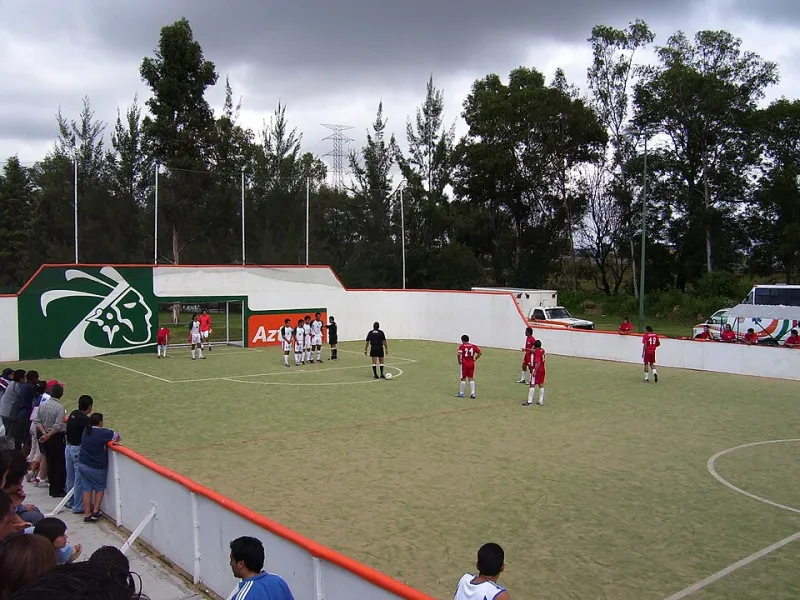
It's 9:15am on a soggy Saturday in suburban Manchester, and World War Three is about to kick off. Not between the under-12s preparing for their local league match, but between the parents assembled along the touchline, armed with everything from laminated training schedules to heart rate monitors for their offspring.
Welcome to modern British youth sport, where the real competition happens in the car park and the most heated debates centre around whether little Timmy's personalised nutrition plan gives him an unfair advantage over kids whose pre-match meal consists of whatever Mum grabbed from the petrol station.
"I've seen parents take notes during warm-ups," says Dave Phillips, a volunteer coach with 15 years' experience in junior football. "Proper notebooks, analysing other kids' techniques and discussing tactics with their child like they're preparing for the World Cup final. It's mental."
The Arms Race Begins
What started as well-meaning parental support has morphed into something resembling a Cold War intelligence operation. Private goalkeeping coaches for seven-year-olds. Sports psychologists on speed dial for pre-teen swimmers. Performance analysis apps that track every touch, tackle, and tactical decision made by children who still lose their shin pads twice a week.
The numbers are staggering. A recent survey by the Youth Sport Trust found that 34% of parents of junior athletes spend more than £3,000 annually on their child's sporting development — excluding club fees and equipment. That's more than many families spend on their annual holiday, invested in the dream of sporting excellence for children who might prefer to spend Saturday mornings watching cartoons.
Sarah Mitchell from Birmingham represents the new breed of sports parent. Her 10-year-old daughter Emma plays for a local netball club, but Sarah's approach would make professional franchises jealous.
"Emma has a strength and conditioning coach, a nutritionist, and we track her sleep patterns to optimise recovery," Sarah explains without a hint of irony. "The other parents think I'm over the top, but Emma's passionate about the sport. I'm just giving her the best chance to succeed."
Emma, when asked about her sporting ambitions, mentions wanting to play with her friends and maybe get a McDonald's after matches.
The Professionalisation Problem
The creeping professionalisation of children's sport reflects broader anxieties about opportunity and advantage in modern Britain. Parents who feel priced out of elite schools or exclusive clubs see youth sport as a meritocratic pathway where investment and dedication can level the playing field.
The problem is that this investment arms race is creating new inequalities. Clubs report growing divides between families who can afford additional coaching and those who view Saturday morning sport as a bit of fun and exercise.
"We've got kids turning up with individual training plans designed by private coaches, playing alongside others who've never had a lesson in their lives," observes Jenny Walsh, who runs a junior tennis programme in Leeds. "The gap in ability and expectation is getting wider every year."
Some parents defend their approach as filling gaps left by underfunded grassroots programmes. With school PE time reduced and local authority sports provision cut, private coaching becomes the only way to ensure proper development.
"The club coach sees my son for two hours a week," argues Mark Thompson, whose 11-year-old trains with a private football academy. "If I want him to reach his potential, I need to supplement that. It's not about pressure — it's about opportunity."
The Burnout Generation
Yet sports scientists and child development experts warn of unintended consequences. Dr. Lisa Roberts, who specialises in youth sport psychology, sees increasing numbers of children experiencing burnout symptoms typically associated with adult athletes.
"We're seeing 12-year-olds who've lost their love for sport because it's become too structured, too serious, too much like work," she explains. "The irony is that parents investing thousands in their child's sporting future might actually be destroying it."
The pressure manifests in various ways. Children report anxiety about disappointing parents who've invested heavily in their development. Some develop perfectionist tendencies that make them afraid to try new sports or take risks during games.
Tom Bradley, now 16, quit competitive swimming despite showing genuine talent. "My parents spent a fortune on coaching and camps," he reflects. "Every race became about justifying their investment rather than enjoying the sport. I started dreading competitions instead of looking forward to them."
The Volunteer Exodus
The professionalisation trend is also driving away volunteers who form the backbone of British grassroots sport. Coaches report feeling undermined by parents who question their methods or demand tactical explanations for team selections involving eight-year-olds.
"I've been coaching junior rugby for 20 years," says former volunteer Mike Stevens, who recently stepped down. "Lately, every decision gets analysed by parents who think they know better because they've watched YouTube videos or hired private coaches. It's not fun anymore."
Clubs struggle to replace experienced volunteers, leading to a vicious cycle where professional coaching becomes more attractive to parents seeking expertise.
Finding the Balance
Not all intensive parental involvement is problematic. Some families have found ways to support their children's sporting ambitions without losing perspective.
The Johnson family from Cardiff represents a more measured approach. Their 13-year-old son plays county-level cricket and receives professional coaching, but his parents maintain clear boundaries.
"We support his passion, but cricket doesn't define our family life," explains father Paul Johnson. "He has other interests, other friends outside sport. The coaching is about helping him enjoy cricket more, not about creating the next England captain."
The Reality Check
Statistics provide sobering context for parental investment strategies. Only 0.1% of junior athletes progress to professional sport, and even fewer achieve financial success from their athletic careers. The vast majority of children will eventually participate in sport purely for enjoyment, fitness, and social benefits.
Yet this reality doesn't diminish parents' drive to invest in their children's sporting development. The challenge lies in channeling that support constructively rather than destructively.
A Different Kind of Success
Perhaps the most successful youth sport stories come from families who've redefined what winning means. Instead of medals and selection for elite programmes, they celebrate improvement, effort, and enjoyment.
Claire Williams watches her daughter play hockey every weekend, but her investment focuses on different outcomes. "I want her to learn teamwork, resilience, and how to handle disappointment," she explains. "If she gets those life skills from sport, that's worth more than any trophy."
The touchline gladiators might be fighting the wrong battle entirely. While they wage war over training plans and performance metrics, their children are learning lessons that can't be coached or bought — lessons that will matter long after the final whistle blows on their sporting careers.
British youth sport needs parents who care, invest, and support their children's dreams. But it needs them to remember that the most important victory is helping children fall in love with sport, not turning Saturday morning into a professional audition.
The real competition isn't between children — it's between the urge to over-invest and the wisdom to step back and let kids be kids.