Generation Queue: The Kids Stuck in Sporting Limbo While Britain's Youth Sport Collapses
The Phone Call That Never Comes
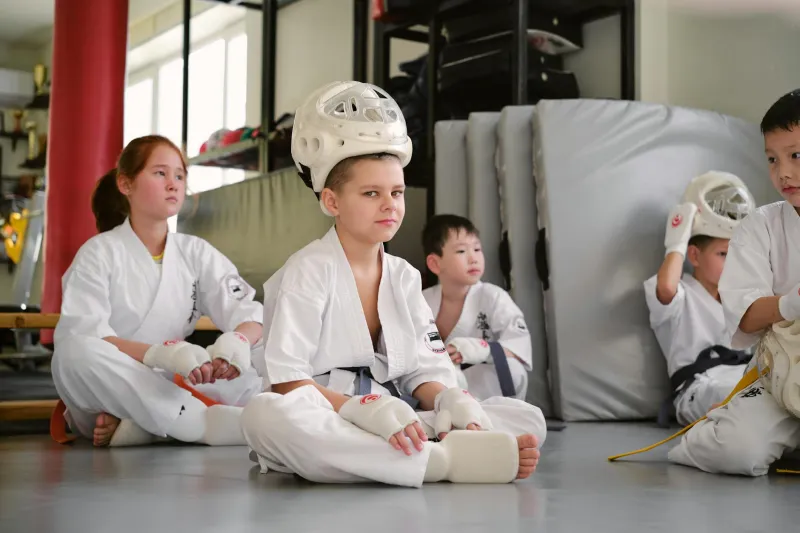
Mark Patterson checks his phone every morning at 7am, not for work emails or social media notifications, but for a call that might change his eight-year-old daughter's life. Sophie has been on the waiting list for Bromley Swimming Club for 18 months. Position 127 of 200-plus hopefuls, all queuing for the privilege of paying £80 a month to train in a Victorian-era pool that's falling apart.
"She asks me every week if they've called yet," Patterson sighs. "I've run out of ways to explain why she can't just join a swimming club like I did when I was her age. The system is completely broken."
Sophie's story isn't unique – it's the new normal. Across Britain, tens of thousands of children are trapped in sporting purgatory, their enthusiasm slowly eroding as they wait months or years for the chance to simply participate in the sports they love.
This isn't just disappointing. It's a national scandal that's robbing an entire generation of the physical, mental, and social benefits that come from regular sporting participation. And the worst part? It's entirely preventable.
The Numbers That Should Shame Us All
The statistics make for grim reading. Sport England's latest youth participation survey reveals that 40% of children who want to join structured sports clubs can't find available places. In some areas, particularly for gymnastics, swimming, and martial arts, waiting lists stretch beyond two years.
Let that sink in: a six-year-old expressing interest in gymnastics might not get a place until they're eight or nine – assuming their enthusiasm survives that long.
"We've essentially created a lottery system for children's sporting development," argues Dr. Helen Morrison, a youth sports researcher at Sheffield Hallam University. "The lucky few get excellent coaching and facilities, while everyone else is told to wait their turn. It's sporting apartheid by postcode and timing."
 Photo: Sheffield Hallam University, via www.outbackequipment.com.au
The geographical disparities are particularly stark. Children in affluent areas of Surrey and Hertfordshire might wait six months for tennis coaching. Their counterparts in post-industrial towns across the North could wait three years for the same opportunity – if it exists at all.
When Passion Meets Bureaucratic Brick Walls
Speak to any club secretary or youth coordinator, and you'll hear the same refrain: overwhelming demand, insufficient resources, and impossible choices about which children to prioritise.
"I get 15-20 enquiries every week from parents wanting their kids to start playing rugby," explains Tony Richardson, youth development officer at Wakefield RFC. "I can offer places to maybe two or three. The rest go on a waiting list that's already 80 kids long. It's heartbreaking."
 Photo: Wakefield RFC, via roborocknl.com
The cruel irony is that many of these clubs are desperate for participants – they just lack the infrastructure to accommodate them. Qualified coaches are in desperately short supply, particularly for younger age groups. Insurance requirements have become increasingly complex and expensive. And don't get started on the sorry state of public facilities.
"We've got three qualified coaches trying to manage 200 kids across eight different age groups," says Richardson. "We're not gatekeepers by choice – we're overwhelmed volunteers trying to prevent the whole thing from collapsing."
The Great Coaching Shortage
At the heart of Britain's youth sports crisis lies a simple truth: we don't have enough qualified people to teach children how to play. The numbers are stark – Sport England estimates we need 40,000 additional youth sports coaches to meet current demand. We're producing about 3,000 new qualified coaches annually.
The maths doesn't work, and it's getting worse.
"Young people used to naturally progress from playing to coaching within their clubs," explains Sarah Chen, who runs coach development programmes across the Midlands. "But modern life doesn't work that way anymore. University, career pressures, housing costs – the traditional pathway from participant to volunteer coach has completely broken down."
The financial barriers to becoming a qualified coach have also exploded. A basic football coaching qualification now costs upwards of £500, before you factor in ongoing CPD requirements, safeguarding training, and first aid certification. For many working-class communities where coaching talent traditionally emerged, these costs are prohibitive.
The Facility Apocalypse Nobody Talks About
While politicians argue about elite sporting success and Olympic medal counts, Britain's grassroots sporting infrastructure is quietly collapsing. School sports halls are being sold off for housing developments. Local authority leisure centres are closing due to budget cuts. Community clubs are priced out of their traditional homes by spiralling rental costs.
"We lost our training venue three years ago when the council sold it to a supermarket chain," explains Janet Morrison, who runs a youth athletics club in Preston. "Since then, we've been nomads – borrowing space from schools, training in car parks, using whatever facilities we can beg or rent. Half our members have dropped out because their parents can't keep up with the constantly changing training locations."
The knock-on effects are devastating. When facilities disappear, clubs fold. When clubs fold, coaches drift away to other pursuits. When coaches leave, waiting lists grow longer and children's sporting dreams die quietly in administrative limbo.
The Parents Fighting Back
Some families are taking matters into their own hands, creating informal training groups, hiring private coaches, or travelling vast distances to find available club places. But these solutions only highlight the inequality at the system's heart – sporting opportunity increasingly depends on parental resources rather than children's enthusiasm or ability.
"I drive my son 45 minutes each way, twice a week, because it's the only football club with spaces," explains Lisa Thompson from Telford. "Not every parent can do that. We're basically creating a system where only middle-class kids with flexible parents and reliable cars get to play sport properly."
The emergence of expensive private sporting academies is filling some gaps, but at costs that exclude most families. A year's training at a decent gymnastics academy can cost more than many families spend on their annual holiday.
What Happens to a Generation Without Sport?
The consequences of this sporting drought extend far beyond disappointed children. Regular sporting participation is linked to improved academic performance, better mental health, reduced anti-social behaviour, and stronger community connections. When we fail to provide sporting opportunities for children, we're not just denying them fun – we're undermining their entire development.
"We're sleepwalking into a public health disaster," warns Dr. Morrison. "The children stuck on waiting lists today will become the inactive, unhealthy adults of tomorrow. And then we'll wonder why obesity rates are soaring and mental health services are overwhelmed."
The solution isn't rocket science – it requires investment, political will, and recognition that youth sport is essential infrastructure, not optional luxury. Other countries manage this successfully. Denmark provides guaranteed sporting opportunities for all children through comprehensive club networks and public investment. Germany's sports club system accommodates millions of young participants through coordinated planning and funding.
Britain once led the world in sporting innovation and accessibility. Now we're creating a generation of children who associate sport with disappointment and exclusion. The phone call Mark Patterson waits for represents more than one girl's swimming dreams – it's a symbol of a system that's failing our children when they need it most.
Sophie Patterson is still waiting. So are thousands of other kids across Britain. The question isn't whether they deserve better – it's whether we're brave enough to give it to them.