Tiny Champions, Broken Dreams: The Children Britain's Elite Sport Builds Up and Quietly Abandons

Photo: Jorge Royan, CC BY-SA 3.0, via Wikimedia Commons
Tiny Champions, Broken Dreams: The Children Britain's Elite Sport Builds Up and Quietly Abandons
She was five years old when a coach pulled her mother aside after a recreational gymnastics class and said she had something special. By seven, she was training four evenings a week and every Saturday morning. By ten, she was competing at regional level, missing birthday parties, school trips, and most of her childhood. At thirteen, after a growth spurt and a minor wrist injury, she was quietly removed from the programme. No ceremony. No conversation. A phone call, a form, and silence.
Her mother, Rachel, who asked us not to use her daughter's surname, describes it as "a bereavement nobody else could understand."
"She'd given everything to that club," Rachel says. "We all had. And then one day it just... stopped. She didn't know who she was without it."
This story is not unusual. In British gymnastics and swimming, it is disturbingly routine.
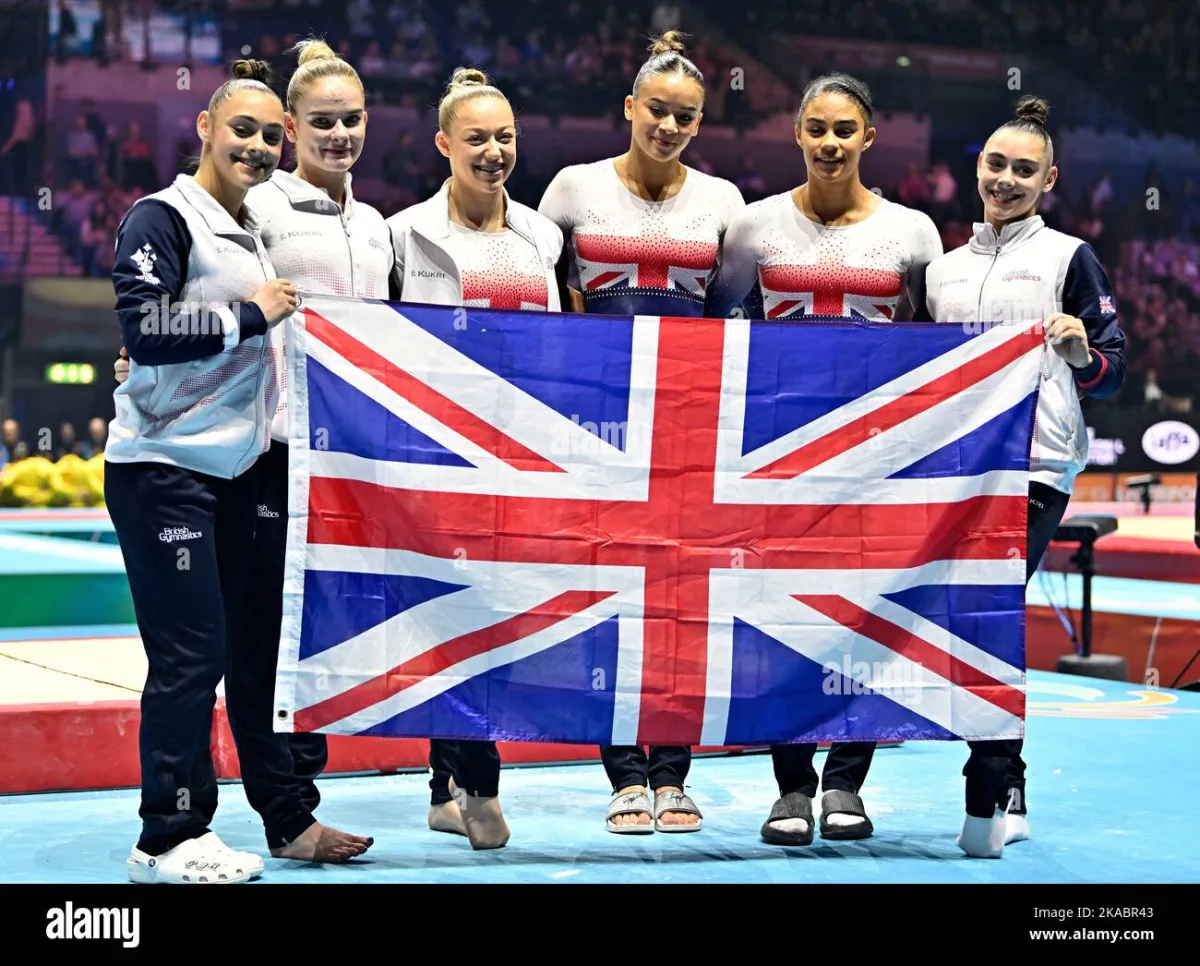 Photo: British Gymnastics, via c8.alamy.com
The Conveyor Belt Starts Early
Britain's elite pathways in gymnastics and swimming are among the earliest-entry systems in world sport. Talent identification in gymnastics can begin before a child starts primary school. Swimming programmes routinely recruit children aged six and seven onto structured development squads. The logic, broadly, is that the physical and technical foundations of these sports must be established before puberty reshapes the body.
There is genuine science behind some of this. Flexibility, proprioception, and certain motor patterns are genuinely easier to develop in early childhood. Nobody serious is disputing that.
What is being disputed — increasingly loudly, by parents, former athletes, and a growing number of coaches — is whether the intensity, the volume, and the emotional weight being placed on young children is proportionate, ethical, or ultimately effective.
"We are taking five and six-year-olds and essentially asking them to make a professional commitment," says Dr. Anita Sharma, a sports psychologist who has worked with junior athletes across multiple disciplines. "They cannot consent to that in any meaningful way. Their parents consent for them, often under enormous social pressure from the club environment."
The Drop-Off Nobody Talks About
Ask British Swimming or British Gymnastics about their talent pathways and you'll receive polished documentation about long-term athlete development, welfare frameworks, and safeguarding protocols. What you won't easily find is data on attrition — on how many children enter these systems and how many reach senior level.
The numbers, from what can be pieced together from independent research, are stark. Studies of early-specialisation sports consistently show drop-out rates above 80% between the ages of ten and sixteen. In gymnastics specifically, the window between peak junior performance and programme exit can be brutally narrow — sometimes measured in months.
For swimming, the pattern is slightly different but no less troubling. Children can dominate age-group competition at ten or eleven, burn through tens of thousands of metres of training by thirteen, and find themselves overtaken by late developers who spent those same years playing multiple sports and enjoying their adolescence.
"The kid who wins the national under-11 title is almost never the one who makes the Olympic team," says one club coach who has worked in competitive swimming for two decades and asked to remain anonymous. "Everyone in the sport knows this. But the pressure to win junior medals — from parents, from clubs, from funding bodies — never goes away."
What It Costs the Children
The physical toll is measurable. Overuse injuries in young gymnasts and swimmers are well documented. Stress fractures, shoulder impingements, and joint problems that would be unusual in adults are commonplace in children who have been training at high volume since infancy.
The psychological cost is harder to quantify and perhaps even more serious. Researchers studying early specialisation consistently identify elevated rates of anxiety, depression, and disordered eating in elite junior athletes — particularly in aesthetic and weight-sensitive sports like gymnastics.
Then there is the identity problem. Children who have defined themselves entirely through their sport since the age of five have, by definition, never developed much of an identity outside it. When the sport goes — through injury, deselection, or simple burnout — there is very little left to fall back on.
Rachel's daughter is fifteen now. She stopped swimming entirely for a year after leaving her gymnastics programme. She's recently started going to a local leisure centre on her own terms, just for fun. "She's finding her way back," Rachel says. "But it took a long time. And I keep thinking — was any of it worth it?"
Is There a Better Way?
The evidence increasingly suggests yes. Countries that have moved toward later specialisation and multi-sport development in childhood — Sweden and the Netherlands are often cited — tend to produce more durable senior athletes and show lower burnout rates without sacrificing competitive success at elite level.
Some British clubs are beginning to shift their approach. A handful of progressive gymnastics programmes are experimenting with reduced training hours for under-tens and broader physical literacy development before age-specific technical work begins. In swimming, a quiet conversation is happening about whether the obsession with childhood personal bests is actually counterproductive.
But cultural change in deeply entrenched systems is slow. And in the meantime, another generation of tiny champions is being built up, pushed hard, and quietly let go — before they're old enough to understand what just happened to them.
Britain loves its junior medals. The question is whether we've properly counted the cost.