After the Glory: Champions Learning to Live Without the Roar
The Silence After the Storm
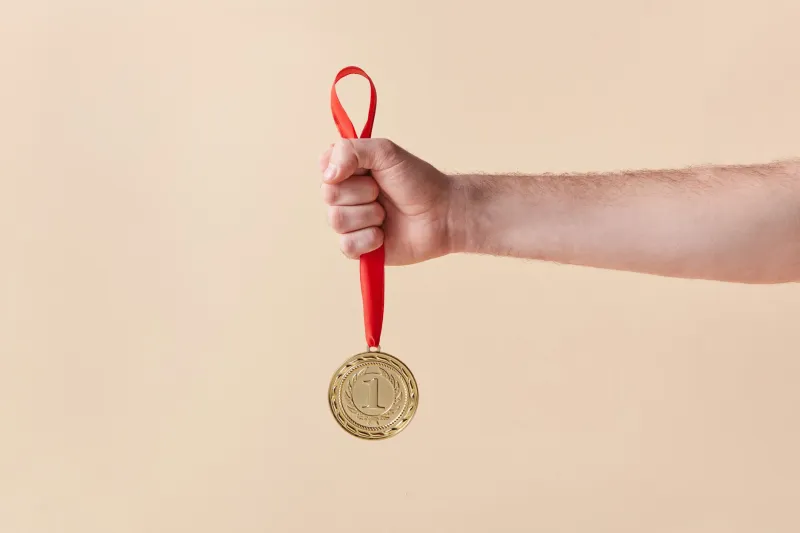
James Crawford still keeps his Commonwealth Games gold medal in the kitchen drawer, nestled between the takeaway menus and electricity bills. It's not shame that puts it there — it's practicality. The medal reminds him daily that sporting glory doesn't pay the mortgage, and champions need to eat just like everyone else.
"People assume winning a gold medal sets you up for life," says Crawford, who dominated the hammer throw circuit for six years before retiring in 2019. "The reality is I earned less in my entire athletics career than most people make in two years of regular employment. The medal's beautiful, but it doesn't keep the lights on."
Crawford now works as a plumber in Sheffield, having retrained through a government apprenticeship scheme. His story isn't unusual — it's the norm for British athletes whose sports don't generate television revenue or attract major sponsorship deals.
The Financial Cliff Edge
British sport's funding structure creates a perfect storm for retiring athletes. Lottery funding through UK Sport provides crucial support during competitive careers, but it stops the moment athletes retire or lose their world ranking. Unlike football or tennis, most Olympic sports offer little prize money and minimal post-career opportunities.
Dr. Sarah Henderson, who studies athlete transition at Loughborough University, describes the problem as "falling off a financial cliff."
 Photo: Loughborough University, via cf3.ppt-online.org
"These athletes spend 15-20 years focused entirely on their sport," she explains. "They sacrifice education, career development, and earning potential for sporting excellence. When they retire, they're starting from scratch in their thirties with no transferable qualifications and mortgages to pay."
The statistics are sobering. Research by the Professional Players Federation found that 67% of retired Olympic athletes experience financial difficulties within two years of retirement, while 43% report struggling with depression or anxiety during the transition period.
Reinventing Identity
For Emma Thompson, the psychological adjustment proved harder than the financial challenges. The former Paralympic swimmer won three gold medals and held world records, but retirement at 28 left her questioning everything she thought she knew about herself.
"I was 'Emma the swimmer' for 20 years," she reflects from her current role as a primary school teacher in Cornwall. "When that stopped, I didn't know who Emma was anymore. It sounds dramatic, but I genuinely didn't recognise myself in the mirror without goggles and a swimming cap."
Thompson's transition included two years of therapy, a teaching qualification, and gradual acceptance that her new life could be just as fulfilling as her swimming career.
"The kids don't care about my medals," she laughs. "They care whether I make learning fun and whether I remember their birthdays. It's a different kind of performance, but it's just as rewarding."
The Coaching Pathway
Many retired athletes naturally gravitate toward coaching, but the pathway isn't as straightforward as it appears. Elite performance doesn't automatically translate to coaching excellence, and the financial rewards rarely match the time investment required.
Mark Stevens dominated British rowing for a decade, winning World Championship medals and competing in three Olympics. His coaching career began immediately after retirement, but the reality proved challenging.
"I thought coaching would be easy because I knew the sport inside out," admits Stevens, who now runs a successful sports therapy clinic in Bath. "But explaining technique to others requires completely different skills. And the pay was terrible — I was earning less coaching full-time than I made from sponsorship as an athlete."
Stevens spent five years coaching before retraining as a sports therapist. His athletic background provides credibility with clients, but his business success comes from skills learned entirely outside sport.
The Entrepreneurial Spirit
Some former champions channel their competitive drive into business ventures, with mixed results. The same determination that creates sporting excellence can translate to entrepreneurial success, but it can also lead to unrealistic expectations and poor decision-making.
Lucy Walsh, a former international cyclist, launched a sports nutrition company using her retirement savings and a small business loan. Three years later, the company employs 12 people and supplies products to professional teams across Europe.
"Sport taught me about goal-setting, handling pressure, and working with limited resources," Walsh explains from her office in Manchester. "Those skills are directly transferable to business. The difference is that in business, you can pivot when something isn't working. In sport, you just have to train harder."
Not every sporting entrepreneur finds success. Industry figures suggest that sports-related startups have a lower success rate than general small businesses, partly because athletes often overestimate market demand for their expertise.
The Support Network
Recognising the scale of the problem, several organisations now provide transition support for retiring athletes. The Athlete Career Transition Programme offers career counselling, skills assessment, and practical support for former international competitors.
Program director Rachel Morris, herself a former Paralympic champion, sees the work as essential for British sport's long-term health.
"We can't expect people to sacrifice their twenties for sporting excellence if we abandon them the moment they retire," she argues. "It's not just about individual welfare — it's about maintaining the pipeline of athletes willing to commit to elite sport."
The programme has helped over 400 athletes transition to new careers, with success stories spanning from corporate leadership to social entrepreneurship.
Finding Purpose Beyond Performance
Perhaps the most inspiring transition stories involve athletes who use their platforms to create positive change in their communities. David Kumar's boxing career ended with a serious injury, but his retirement has arguably achieved more lasting impact than his sporting success.
Kumar established a boxing club in one of London's most deprived areas, providing training and mentorship for young people at risk of gang involvement. The club has expanded to include educational programmes and mental health support.
"Boxing gave me discipline and confidence," Kumar explains while watching teenagers spar in his gym. "Now I'm passing those benefits to kids who need them more than I ever did. It's not about creating champions — it's about creating good humans."
The club operates on minimal funding, supplemented by Kumar's work as a security guard, but its impact on the local community is immeasurable.
The Ongoing Challenge
British sport faces a fundamental challenge: how to support athletes through the transition from elite competition to normal life. The current system effectively treats retirement as the end of the relationship, leaving former champions to navigate complex challenges alone.
Some European countries provide more comprehensive transition support, including guaranteed university places, career guidance, and ongoing financial assistance. Britain's approach remains more fragmented, relying heavily on individual resilience and voluntary organisations.
Lessons in Resilience
Despite the challenges, most former champions eventually find fulfillment in their post-sport lives. The same mental strength that drove sporting success often proves crucial in overcoming transition difficulties.
James Crawford, the hammer thrower turned plumber, reflects on his journey with surprising optimism.
"Sport taught me that success requires hard work, persistence, and the ability to bounce back from setbacks," he says. "Those lessons apply whether you're throwing a hammer or fixing a boiler. The arena's different, but the principles are the same."
The medal stays in the kitchen drawer, but Crawford's pride in his achievements — both sporting and professional — remains intact. He represents thousands of former British champions who've learned that life after sport can be just as rewarding as the glory days, even if it looks completely different.
British sport owes these athletes more than fond memories and occasional documentary features. It owes them support, recognition, and practical assistance in building meaningful lives beyond the arena. The champions who gave everything for their country deserve nothing less than the chance to succeed in whatever comes next.