Musical Chairs With Goalposts: The Bizarre World of Britain's Shared Sporting Spaces
When Saturday Becomes a Scheduling Nightmare
Picture this: it's 2pm on a Saturday at Millfield Recreation Ground in Derbyshire. The local cricket club has just wrapped up their tea break, hastily packing away the stumps as the Belper United Sunday League side rocks up in a convoy of battered Transits. By 2:30pm, the same patch of grass has been transformed from a cricket square into a football pitch, complete with portable goals dragged from a shipping container that doubles as both clubs' storage facility.
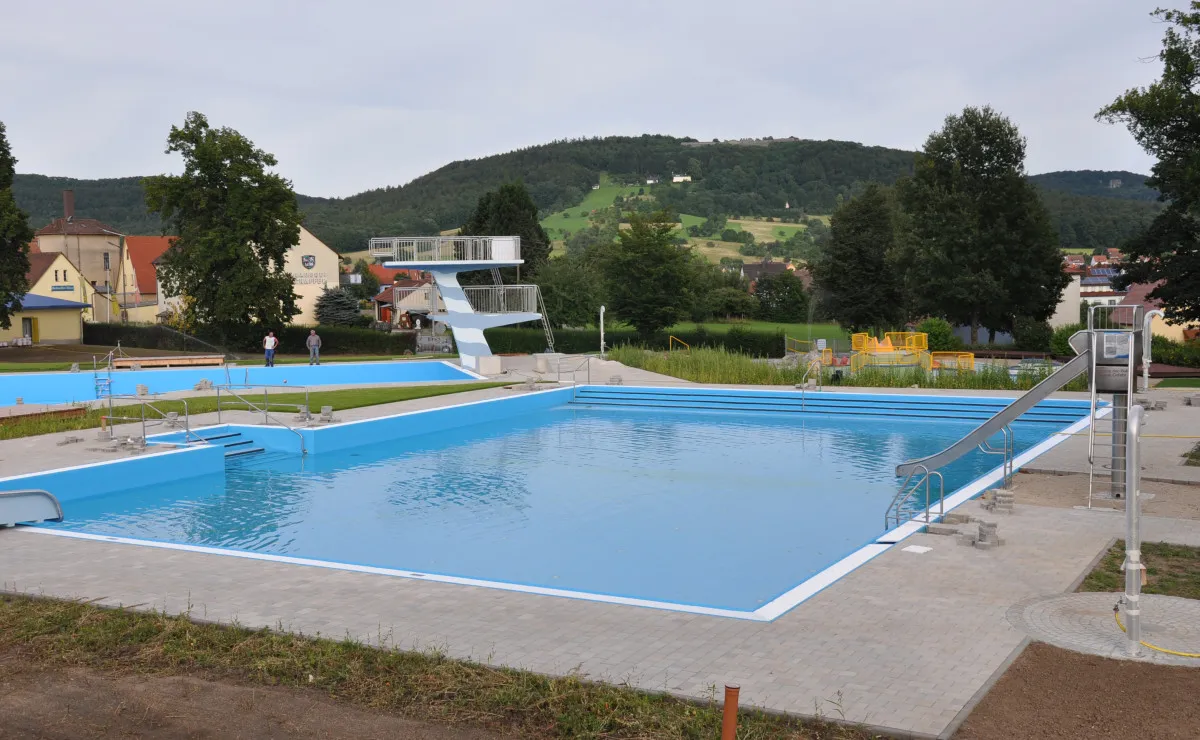 Photo: Millfield Recreation Ground, via n-land.de
This isn't some mad fever dream – it's the new reality for thousands of Britain's smallest sports clubs, where groundsharing has become less of a choice and more of a survival strategy.
"We've got 47 different user groups across the week," laughs Sarah Mitchell, secretary of Hemel Hempstead Sports Association, which manages a community facility that hosts everything from hockey to handball. "Sometimes I feel like I'm running an airport rather than a sports club – everyone's got a slot, everyone's got specific requirements, and God help us all if someone runs over their allocated time."
The Art of the Sporting Compromise
The numbers tell a stark story. According to Sport England's latest facility audit, Britain has lost over 3,000 grassroots sporting venues in the past decade, yet participation in amateur sport continues to grow. The result? A perfect storm of demand and scarcity that's forcing clubs into increasingly creative partnerships.
Take Wigan Athletic Community Club – not the professional outfit, but a collection of 12 different amateur teams ranging from under-8s football to walking football for the over-60s. They share changing rooms with the local rugby club, store equipment in the cricket pavilion, and play matches on pitches that host hockey training sessions just hours before kickoff.
 Photo: Wigan Athletic Community Club, via www.rebeundwein.de
"It's like a giant jigsaw puzzle where all the pieces keep changing shape," explains club chairman Dave Rothwell. "But you know what? It works. These kids are playing football, the rugby lads have somewhere to train, and the cricket club gets enough rental income to keep their lights on."
The arrangements can border on the absurd. At Cotswold Community Sports Hub, the gymnastics club trains in the same hall where the badminton club plays matches, separated only by a moveable partition and a carefully negotiated timetable that reads like a military operation.
Territorial Disputes and Unexpected Friendships
Not every groundshare is a harmonious love-in. Club secretaries across the country report everything from passive-aggressive disputes over changing room temperatures to full-blown arguments about whose responsibility it is to replace the tea bags in the kitchen.
"The tennis club thinks they own the car park because they resurface it every three years," sighs one anonymous football club volunteer. "Meanwhile, the bowls club acts like the clubhouse is their personal front room. And don't get me started on what happens when someone leaves muddy boots in the wrong place."
But for every tale of sporting territorialism, there's a heartwarming story of unexpected collaboration. At Bridgwater Community Sports Centre, the women's football team regularly helps the local cricket club with fundraising events, while the rugby club's forwards have become unofficial security for the netball team's evening training sessions.
 Photo: Bridgwater Community Sports Centre, via es.ancensored.com
"We've basically become one big, slightly dysfunctional sporting family," laughs Emma Thompson, who captains both the hockey team and coordinates bookings for the entire facility. "Yes, we argue about who left the kitchen in a state, but when push comes to shove, we all look out for each other."
Creative Solutions Born from Desperation
The most successful groundsharing arrangements have spawned innovations that would make corporate efficiency experts weep with joy. Smart booking systems, shared equipment pools, and rotating maintenance responsibilities have turned ramshackle volunteer operations into slick sporting machines.
At Blackpool Community Sports Complex, five different clubs have invested in a shared groundskeeping team – a qualified greenkeeper who maintains pitches for football, rugby, and cricket simultaneously. It's more expensive than the old volunteer model, but infinitely more professional.
"We've gone from having patchy, muddy disasters to having some of the best surfaces in the county," beams facility manager John Harrison. "Turns out when everyone chips in properly, you can afford proper expertise."
Some clubs have taken the concept even further. Preston Park Athletic operates what they call a "sporting timeshare" – different sports take over the facility completely during their peak seasons, with football dominating winter months before handing over to cricket and tennis in summer.
The Future of Shared Sporting Britain
As local authority budgets continue to shrink and land prices soar, groundsharing is rapidly evolving from emergency measure to permanent fixture. The most forward-thinking clubs are already planning purpose-built shared facilities, designed from the ground up to accommodate multiple sports.
"We're not just sharing out of necessity anymore," explains Dr. Rachel Stevens, a sports facility consultant who's worked on over 50 groundsharing projects. "We're discovering that shared facilities can actually offer better opportunities than single-sport venues – better coaching, more diverse training options, stronger community connections."
The model isn't without its challenges. Insurance complications, equipment security, and the sheer logistical complexity of managing multiple user groups continue to test even the most patient volunteers. But across Britain, from Cornish cricket clubs hosting surf training sessions to Scottish rugby clubs sharing pitches with Gaelic football teams, the message is clear: adapt or disappear.
"Twenty years ago, we thought sharing our ground would be the end of our identity as a club," reflects Rothwell from Wigan. "Turns out it was just the beginning of something much bigger and better. Sure, it's chaos most of the time, but it's our chaos, and it's keeping grassroots sport alive when everything else seems to be falling apart."
In a sporting landscape where million-pound transfers dominate headlines, perhaps the real story is happening in shared changing rooms and communal equipment sheds across Britain – where the future of grassroots sport is being written one scheduling conflict at a time.