Last Call for the Local Pitch: Britain's Sports Clubs Fighting for Their Lives Against the Bulldozers
The Clock Is Ticking
Every Saturday morning at 9 AM sharp, Dave Thompson unlocks the gates to Millfield Athletic Club in South London, just as he has for the past seventeen years. But these days, he checks the post box with the kind of dread usually reserved for tax bills or divorce papers. Because somewhere in that pile of letters could be the eviction notice that ends 73 years of football, cricket, and community spirit.
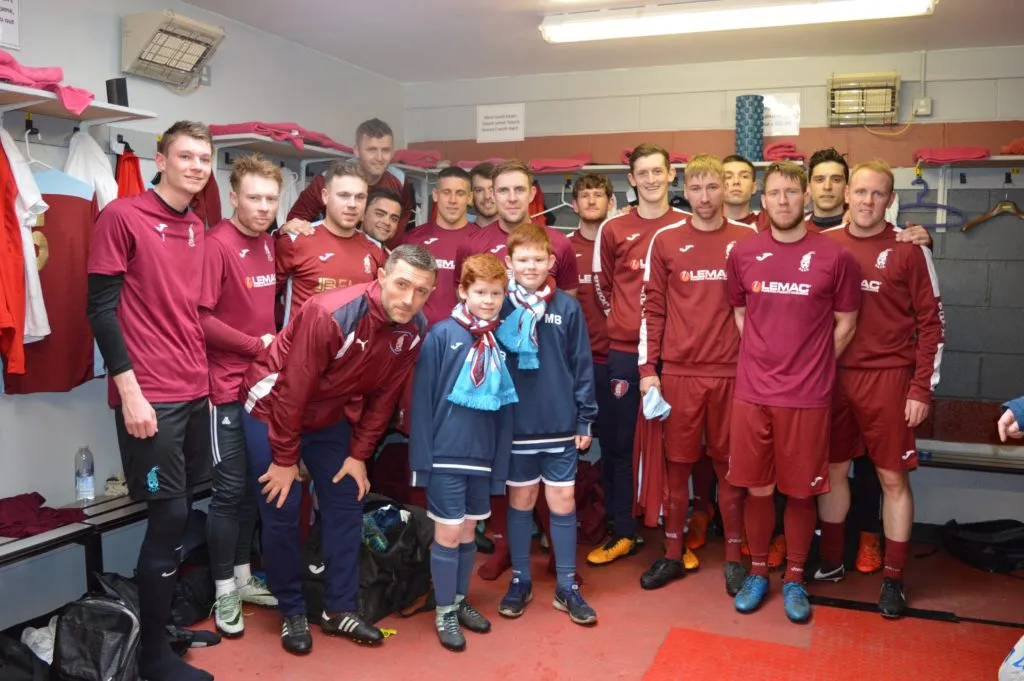 Photo: Millfield Athletic Club, via haddingtonathletic.co.uk
"They keep circling like vultures," Dave mutters, gesturing toward the luxury flats sprouting up around the club's modest ground. "Every month, another developer knocks on the door with a briefcase full of promises and a calculator full of our demise."
Millfield isn't alone. Across Britain, hundreds of sports clubs are fighting a war they never asked for against an enemy they can't tackle, header, or bowl out: property developers with deep pockets and planning committees with selective hearing.
When Profit Trumps Penalties
The numbers tell a story that would make a relegation battle look like a friendly kickabout. Since 2010, Britain has lost over 400 grassroots sports facilities to development, according to Sport England figures. That's roughly one pitch disappearing every fortnight, taking with it not just the white lines and goalposts, but the heartbeat of entire communities.
Take Bramley FC in Leeds, a club that traced its roots back to 1896 until developers traced their way to its doorstep in 2019. The club's secretary, Margaret Whitfield, still gets emotional recounting their final match. "Grown men were crying at the final whistle. Not because we'd lost the game – we actually won 3-1 – but because we'd lost everything else."
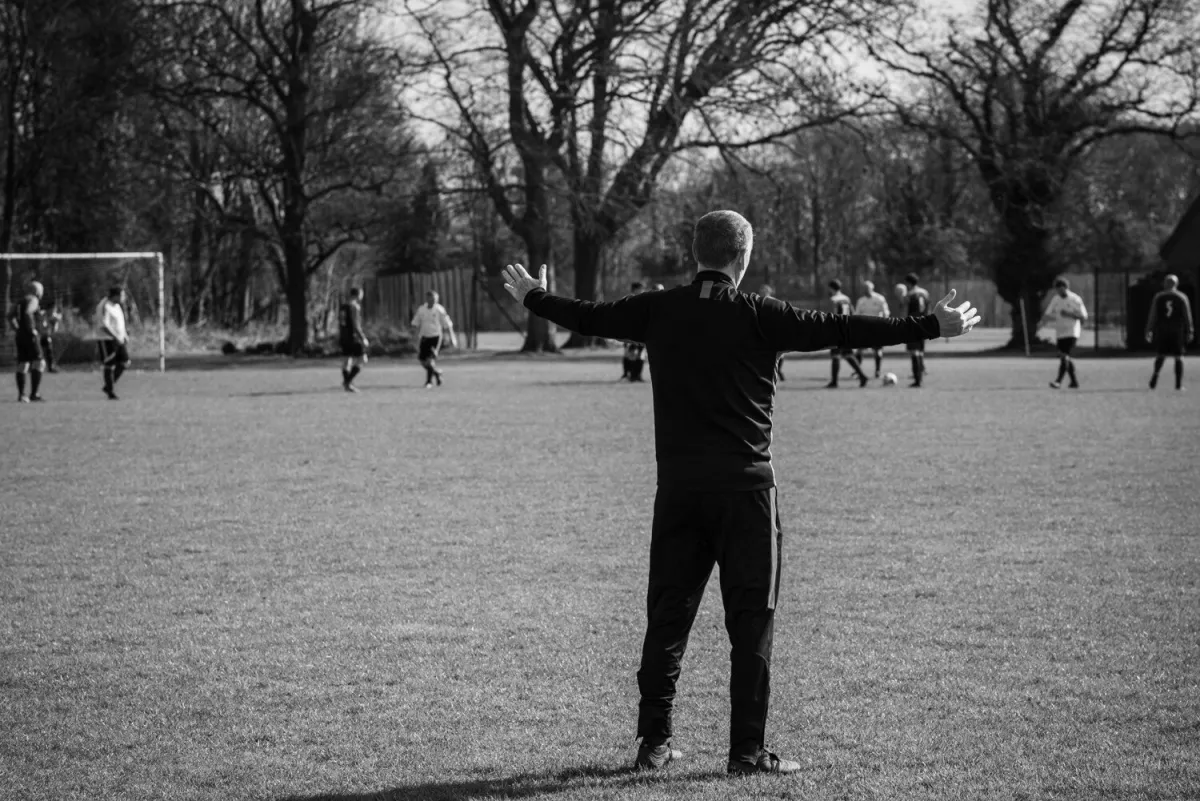 Photo: Bramley FC, via images.squarespace-cdn.com
The legal framework makes David versus Goliath look like a fair fight. Most community clubs operate on leases that seemed ironclad when signed decades ago but contain loopholes you could drive a JCB through. "Change of use" applications can transform a football pitch into a housing estate faster than you can say "planning permission," often with minimal consultation and maximum profit margins.
The Resistance Fighters
But some clubs refuse to go gentle into that good night of gentrification. Hackney Marshes FC in East London became the poster child for grassroots resistance when they launched a campaign that would make any political party jealous. Armed with nothing but social media savvy and righteous indignation, they mobilised 15,000 signatures, caught the attention of three MPs, and somehow convinced a council that had already rubber-stamped the development to think again.
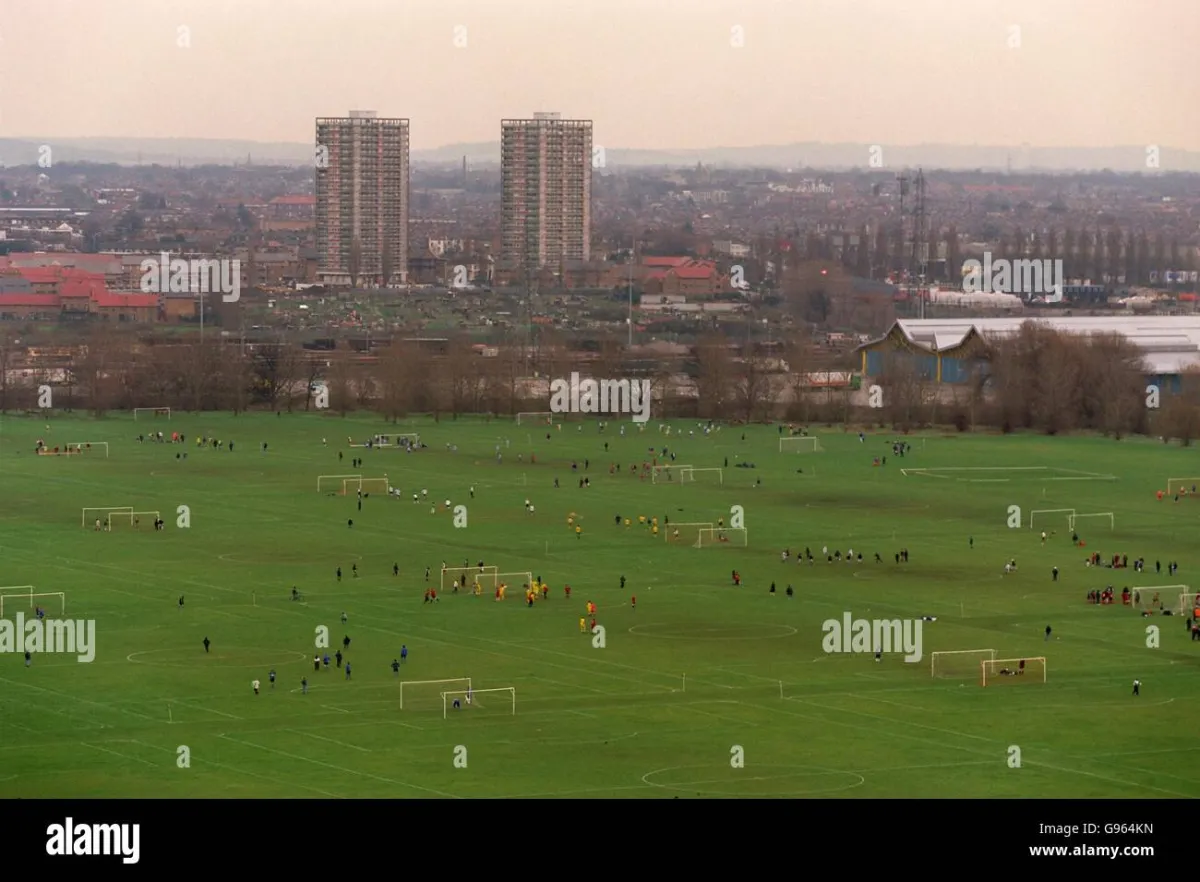 Photo: Hackney Marshes FC, via c8.alamy.com
"We didn't just fight for our club," explains campaign organiser Sarah Chen. "We fought for the principle that communities should have a say in what happens to their spaces. These aren't just patches of grass – they're where kids learn teamwork, where adults escape the stress of modern life, where neighbours become friends."
The victory wasn't total – they had to relocate to a smaller ground twenty minutes away – but it was symbolic. In an era where everything seems up for sale, sometimes the underdogs actually win.
Creative Solutions in Desperate Times
Facing extinction, some clubs have gotten creative in ways that would impress the most innovative football managers. Rotherham United's academy struck a groundbreaking deal with a housing developer that saw new flats built around their training pitches, with residents' service charges helping fund youth coaching programmes.
"It's not ideal," admits academy director James Morrison, "but it's survival. The kids still get to train, the community gets new housing, and we get to keep doing what we love."
Other clubs have embraced the sharing economy, opening their facilities to yoga classes, dog training sessions, and corporate team-building events. Anything to generate the revenue needed to fight the next legal battle or pay the next rent increase.
The Hidden Cost of Progress
What gets lost in planning applications and profit projections is the social infrastructure that disappears with every demolished clubhouse. Dr. Emma Richards, who studies community sport at Manchester Metropolitan University, puts it bluntly: "We're not just losing pitches. We're losing social cohesion, mental health support, youth development programmes, and volunteer networks that take decades to build but can be destroyed in an afternoon."
The ripple effects reach far beyond sport. Local pubs lose their post-match crowds, volunteer coaches drift away from youth work, and entire generations grow up without the shared experiences that bind communities together.
Fighting Back, One Petition at a Time
Yet hope persists in the most unlikely places. From Cornish cricket clubs crowdfunding their survival to Scottish rugby teams lobbying for protected status, the resistance continues. The key, according to successful campaigns, is early organisation and political noise.
"Don't wait for the eviction notice," advises Chen from Hackney Marshes. "Start building your support network now, while you've still got time to fight. Politicians ignore individual complaints, but they can't ignore organised communities."
As Dave Thompson locks up Millfield Athletic Club after another successful Saturday of youth football, he allows himself a moment of optimism. The latest planning application was rejected, the local MP has promised support, and this week's post contained only bills and junk mail.
"We're still here," he says, watching the last kids cycle home with muddy boots and enormous grins. "And we're not going anywhere without a fight."
The battle for Britain's sporting soul continues, one pitch at a time.