All Followers, No Trophies: The Influencers Cashing In on Sports They've Never Played
The New Sports Media Landscape
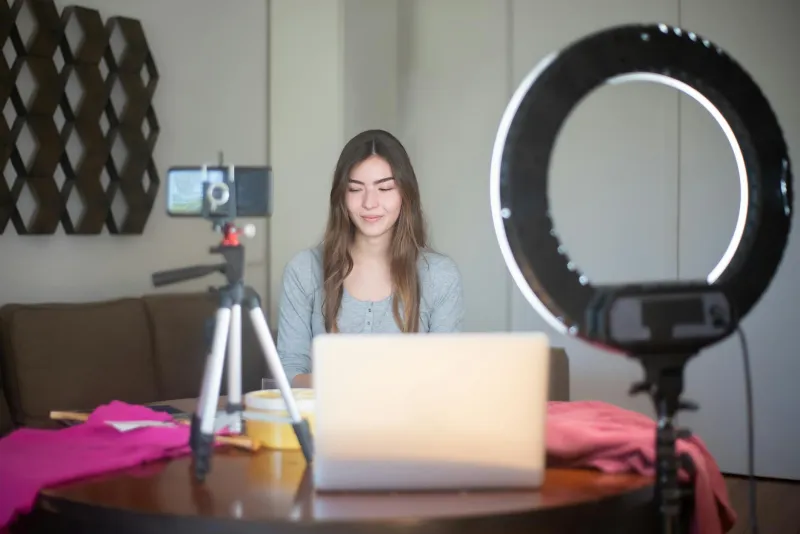
Scroll through your social media feeds on any given Sunday and you'll find them everywhere: perfectly lit fitness influencers dispensing workout wisdom from their Ring Light studios, tactical analysts breaking down Premier League formations with the confidence of Pep Guardiola, and lifestyle athletes selling the dream of athletic success to audiences who don't realise their guru's biggest sporting achievement was completing a 5K charity run three years ago.
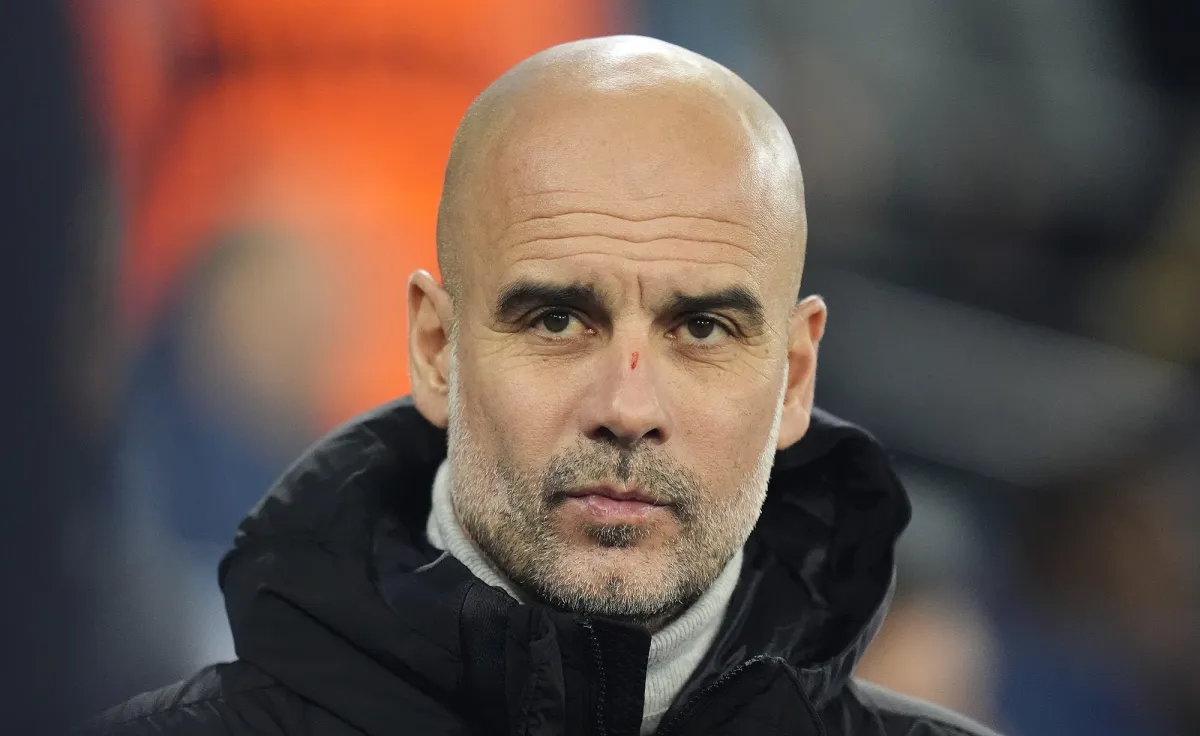 Photo: Pep Guardiola, via www.sportface.it
Welcome to the brave new world of British sports influence, where your playing credentials matter less than your follower count, and authenticity has been traded for algorithmic optimisation.
The numbers are staggering. Britain's top sports influencers command audiences in the millions, earn six-figure sums from partnerships, and shape public opinion about everything from nutrition to transfer policy. The catch? Many of them have never competed seriously in the sports they're pontificating about.
The Rise of the Armchair Expert
Take "Coach" Mike Stevens (not his real name, because his actual coaching qualifications extend to a weekend course he took in 2019). With 340,000 followers across TikTok and Instagram, Mike dispenses tactical advice about Premier League matches with the authority of someone who's definitely never had to deal with a semi-professional centre-back having a tantrum about playing away at Grimsby on a Tuesday night.
His content is slick, professional, and utterly divorced from the reality of actual football management. But it doesn't matter – his audience loves the confident delivery, the graphics that make Sunday League tactics look like NASA mission planning, and the feeling that they're getting insider knowledge from someone who clearly knows what they're talking about.
"People don't want to hear from actual coaches," Mike admits when pressed about his background. "Real coaching is boring – it's about managing egos, dealing with injuries, and trying to get eleven blokes to remember their positions. My audience wants entertainment dressed up as education."
The Fitness Fraud Phenomenon
The fitness space is perhaps even more problematic. Instagram is awash with "transformation coaches" whose own transformations seem to involve nothing more than better lighting and strategic camera angles. These influencers sell workout plans, nutrition guides, and motivational content to audiences desperate for fitness success, despite having never competed in any sport requiring actual athletic ability.
Sarah "FitLife" Williams boasts 280,000 followers and a range of fitness programmes that have generated over £100,000 in sales. Her bio claims she's a "former athlete," which technically isn't false – she did play netball for her university third team. For one semester.
"Look, I'm not claiming to be Serena Williams," Sarah says, somewhat defensively. "But I understand what my audience wants. They want someone relatable, someone who's struggled with fitness and found a way through. They don't want to be lectured by some Olympic athlete who's never had to fit exercise around a full-time job and three kids."
Fair enough, except Sarah doesn't have three kids, works part-time as a social media manager, and her biggest fitness struggle appears to be choosing between the gym and a Netflix marathon.
The Economics of Fake Expertise
The financial incentives are undeniable. While actual British athletes struggle to make ends meet – Paralympic medallists working part-time jobs, lower league footballers driving delivery vans in the off-season – sports influencers with zero competitive experience are banking serious money.
Sponsorship deals, affiliate marketing, online courses, and brand partnerships can easily generate six-figure incomes for the most successful content creators. One tactical analysis account, run by someone whose playing experience peaked at university level, recently signed a deal with a major betting company worth more than most Championship footballers earn in a year.
Meanwhile, actual sports scientists, qualified coaches, and former professional athletes struggle to build audiences because their content lacks the flashy presentation and controversial takes that drive engagement.
The Credibility Crisis
This raises uncomfortable questions about credibility and authenticity in sports media. When someone with no competitive experience can build a larger platform than actual experts, what does that say about how we value sporting knowledge?
Dr. James Richardson, a sports scientist with twenty years' experience working with professional athletes, has 12,000 followers on Twitter. His content is evidence-based, thoroughly researched, and genuinely educational. It's also, by his own admission, "boring as hell" compared to the flashy content produced by influencers.
"The algorithm rewards controversy and entertainment over accuracy," Richardson explains. "I can spend weeks researching the latest developments in sports nutrition, but it'll get a fraction of the engagement of someone making bold claims about 'this one weird trick' to improve performance."
The result is a landscape where actual expertise is increasingly marginalised in favour of content that looks professional but lacks substance.
The Defence of the Democratised
Not everyone sees this trend as negative. Supporters argue that social media has democratised sports media, breaking down the old boys' networks that traditionally controlled access to platforms and audiences.
"Why should only former professionals get to have opinions about sport?" asks Lisa Chen, who runs a popular football analysis account despite never playing above amateur level. "Some of the best tactical minds in football never played professionally. Look at Mourinho – he was a translator before he became a coach."
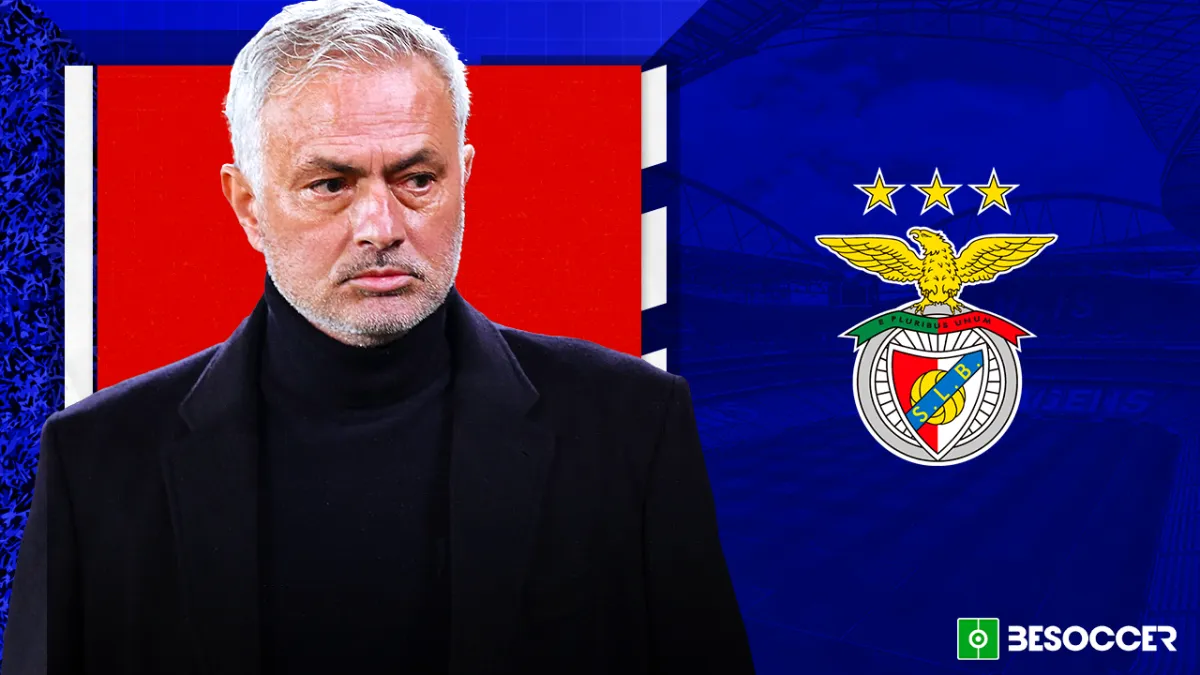 Photo: Mourinho, via cdn.resfu.com
There's some truth to this. Many of these influencers are genuinely passionate about their sports, invest serious time in research, and provide content that audiences clearly value. The fact that they haven't competed at elite level doesn't necessarily invalidate their opinions or insights.
The Audience Responsibility
Perhaps the real issue isn't the influencers themselves, but our collective willingness to be influenced by them. In an age where we're constantly warned about fake news and misinformation, why do we so readily accept sports advice from unqualified sources?
"People want to believe in shortcuts and secret knowledge," suggests Dr. Richardson. "It's more appealing to think there's some tactical insight or training method that professionals have missed, rather than accepting that success in sport usually comes down to talent, hard work, and good coaching over many years."
The influencers are simply giving audiences what they want – entertainment, hope, and the feeling that sporting success is more accessible than it actually is.
The Real Victims
While the influencers cash in and audiences get their entertainment, the real losers might be genuine British sporting talent. Young athletes looking for guidance increasingly turn to social media rather than qualified coaches. Aspiring sports scientists and coaches struggle to build platforms because they can't compete with the production values and marketing savvy of professional content creators.
Most concerning is the potential for misinformation to cause actual harm. Fitness influencers promoting dangerous training methods, tactical analysts spreading misconceptions about the game, or nutrition "experts" dispensing advice that could impact athletic performance.
The Way Forward
The solution isn't to ban unqualified people from creating sports content – that's neither possible nor necessarily desirable. But platforms, audiences, and the influencers themselves could do more to ensure transparency about credentials and experience.
Some influencers are already leading by example, clearly stating their backgrounds and limitations. Others collaborate with actual experts, using their platform-building skills to amplify genuinely qualified voices.
The key is education – helping audiences understand the difference between entertainment and expertise, and encouraging them to seek out qualified sources for serious advice.
The Bottom Line
Britain's sports influencer boom isn't going anywhere. The financial incentives are too strong, the audiences too engaged, and the barriers to entry too low. But as consumers of sports content, we have a responsibility to think critically about who we're listening to and why.
Next time you see a confident tactical breakdown or revolutionary fitness routine on your feed, ask yourself: what qualifies this person to give this advice? Are they selling expertise or entertainment? And most importantly – are you buying it for the right reasons?
The democratisation of sports media has brought benefits, but it's also created a landscape where followers matter more than qualifications, and confidence counts for more than competence. In a country with such rich sporting heritage and genuine expertise, surely we can do better than letting the loudest voices drown out the most knowledgeable ones.