Champions in Tracksuits: The World-Beaters Training Next to Your Tuesday Night Badminton
The Greatest Show You've Never Watched
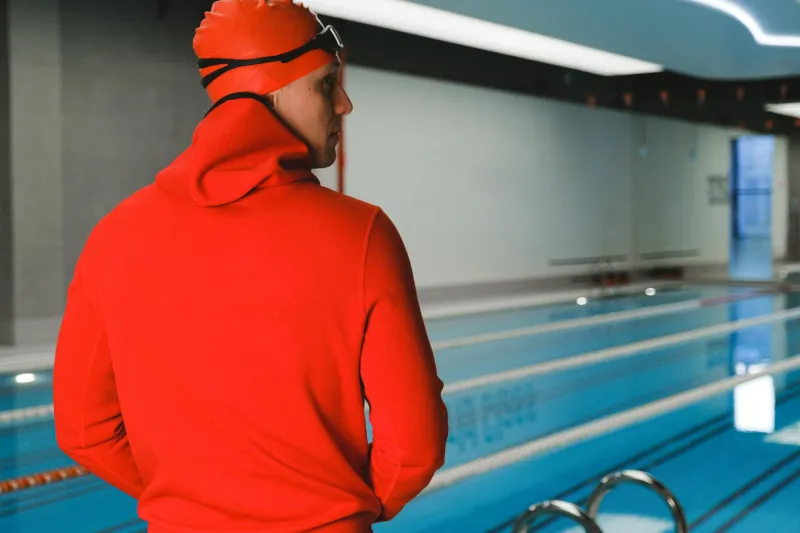
Next Tuesday evening, when you're huffing through that weekly swim or attempting to perfect your backhand in the sports hall, you might be sharing space with a world champion. Not a former world champion having a gentle workout, but an active, medal-winning, record-holding athlete at the absolute pinnacle of their sport.
You just wouldn't know it.
Welcome to the parallel universe of British elite sport, where Olympic medallists train in facilities that wouldn't look out of place in a 1970s comprehensive school, and world record holders queue for lane space behind the local swimming club's weekly session.
It's a scandal. It's inspiring. It's utterly, brilliantly British.
The Invisible Elite
Take Rebecca Morrison, current European champion in modern pentathlon. Three times a week, she trains at Guildford Spectrum, a perfectly adequate but hardly glamorous leisure centre that most locals know for its soft play area and weekend swimming lessons.
 Photo: Rebecca Morrison, via yt3.googleusercontent.com
"People sometimes recognise me from local newspaper photos," she laughs, towelling off after a training session. "But mostly I'm just another punter in the pool. The lifeguards know I'm fast, but I don't think they realise I'm faster than anyone else in the country."
This invisibility isn't unique to Rebecca. Across Britain, world-class athletes in 'minority' sports are hiding in plain sight, perfecting their craft in facilities that serve the community first and elite sport second. It's a situation that would be unthinkable in football or rugby, where even academy players train in purpose-built complexes.
The Council Facility Champions
At Ponds Forge in Sheffield, Paralympic swimming champion James Mitchell shares pool time with pensioners doing aqua aerobics and toddlers taking their first tentative strokes. The contrast is surreal: a man who's broken world records training alongside people who consider a length without stopping a personal victory.
 Photo: James Mitchell, via c8.alamy.com
"It keeps you grounded," James reflects. "When you're used to elite training centres with massage therapists and nutritionists on tap, training next to regular people reminds you why sport matters to everyone, not just athletes."
The practical challenges are real, though. Training schedules built around public swimming sessions, equipment shared with community groups, and facilities that prioritise accessibility over performance optimisation. These athletes aren't just competing against the world's best—they're doing it while working around the local water polo club's training nights.
The Funding Reality Check
The reason for this surreal situation is depressingly simple: money. While football clubs spend millions on training grounds that barely get used, Olympic sports operate on shoestring budgets that make sharing public facilities not just sensible but essential.
"Our annual budget wouldn't cover a Premier League player's weekly wages," explains British Weightlifting's performance director Sarah Collins. "So yes, our athletes train in community centres and school gyms. It's not ideal, but it's reality."
This funding disparity creates bizarre situations. A world champion weightlifter might train in the same gym where your nan does her silver circuits class. A Paralympic archer perfects their technique in a sports hall that doubles as a polling station on election day.
The Hidden Benefits
But here's the twist nobody talks about: this arrangement might actually be producing better athletes. Training in public facilities, surrounded by ordinary people pursuing fitness for fun, creates a unique environment that elite training centres can't replicate.
"There's something about training alongside recreational athletes that keeps you honest," explains Dr. Michael Torres, a sports psychologist who works with elite athletes across multiple disciplines. "You can't disappear into the bubble of elite sport when you're constantly reminded that most people exercise for joy, not medals."
The community connection works both ways. Regular leisure centre users get inspired by sharing space with elite athletes, while the athletes themselves stay connected to the grassroots of their sport.
The Coaching Conundrum
Perhaps nowhere is this divide more apparent than in coaching. While football academies poach the best coaches with six-figure salaries, Olympic sports rely on volunteers and part-timers who often hold down day jobs to support their coaching habit.
Mark Henderson coaches three current world champions in judo. He also works full-time as an accountant and runs sessions from a community centre in Reading that he rents for £20 an hour.
"I've got athletes who could earn millions in mixed martial arts, but they choose to stay in judo and train in a hall that smells of school dinners," he says. "It's not about the facilities—it's about the passion."
The Recognition Gap
What's truly maddening is how little recognition these athletes receive. A footballer who scores a decent goal gets more media coverage than a British athlete breaking a world record. The disconnect between achievement and attention is stark.
"I won European gold last year," says modern pentathlete Rebecca Morrison. "The local paper ran a small piece on page seven, next to the parish council minutes. A week later, the local football team signing a new striker got the front page."
This isn't about jealousy—it's about missed opportunities. These athletes have stories that could inspire a generation, achievements that deserve celebration, and personalities that could capture imaginations. Instead, they train in anonymity while the sporting public obsesses over the latest transfer gossip.
The Future of Invisible Excellence
As we look ahead to future Olympic cycles, this situation seems unlikely to change. If anything, funding pressures might push more elite athletes into shared facilities. The question is whether we'll finally start noticing them.
Maybe that's the real story here. In an age of sporting excess and celebrity culture, Britain's greatest athletes are quietly getting on with being brilliant in the most ordinary places imaginable. They're proving that excellence doesn't require marble floors and gold-plated equipment—it just requires dedication, talent, and access to a decent pool.
So next time you're at your local leisure centre, look around. That person swimming perfect technique in the fast lane might just be the fastest in the world. That archer practising in the corner of the sports hall might be heading to Paris 2024.
They're champions hiding in plain sight, and they deserve better than our indifference. They deserve recognition, support, and maybe—just maybe—a training facility that doesn't smell of chlorine and regret.
But knowing them, they'll probably win their next world title regardless.