The Unsung Army: Meet Britain's Winter Warriors Who Keep Sport Alive When Others Stay Warm
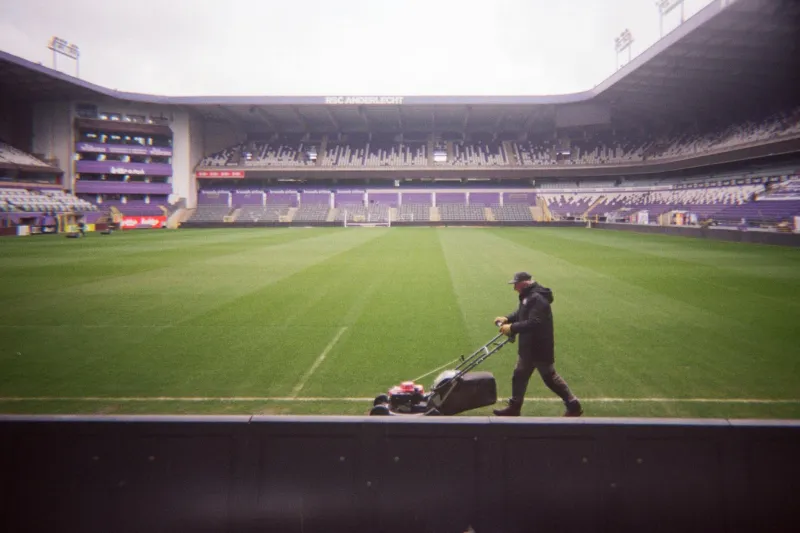
Saturday Morning Heroes in Hi-Vis Jackets
It's 6:30 AM on a January morning in Barnsley, and while most sensible people are still under their duvets, Dave Hartwell is trudging across a waterlogged football pitch with a fork in one hand and a flask of tea in the other. The temperature gauge on his phone reads minus-three, but Dave's been doing this for seventeen years. A bit of frost never stopped him before.
"You should've seen it last week," he chuckles, pointing to what looks like a small lake where the centre circle should be. "Had to get the fire brigade pumps out just to make it playable for the under-12s."
Dave isn't paid for this. Neither are the thousands of volunteers like him across Britain who turn up every weekend, rain or shine, to keep grassroots sport alive. They're the invisible backbone of British athletics – the ones who unlock changing rooms at dawn, wash muddy kits until midnight, and somehow manage to find eleven cones when the club only bought ten.
The Thankless Tasks That Make Champions
From the Highlands of Scotland to the tip of Cornwall, these volunteers are performing small miracles. Margaret Thompson has been making teas for Wigan Rugby Club's youth teams since 1987. She's missed exactly four matches in thirty-six years – three for births, one for a funeral.
"The kids don't see me," she says, stirring another batch of Bovril in the club's tiny kitchen. "They just know the drinks are there when they come off the pitch, frozen solid and covered in mud. That's enough for me."
But Margaret's story isn't unique. Across the country, fixture secretaries are spending their Tuesday evenings ringing around twenty different clubs trying to reschedule matches cancelled by flooding. Kit managers are arriving at grounds two hours early to set up goals that were vandalised overnight. Groundskeepers are working by torchlight to repair pitches churned up by the previous day's matches.
When the Weather Becomes the Enemy
British winters have always been brutal, but climate change is making things worse. More extreme weather means more cancelled fixtures, more damaged facilities, and more stress on the volunteers trying to hold it all together.
"We used to get maybe three or four washouts a season," explains Colin Matthews, who's been maintaining pitches in the Midlands for two decades. "Now we're looking at fifteen, twenty games called off. The drainage just can't cope."
The financial strain is enormous too. Clubs that rely on gate receipts and bar takings from weekend matches are seeing their income slashed. Meanwhile, repair bills for flood-damaged changing rooms and storm-torn nets are mounting up.
The Generational Gap That's Keeping Everyone Awake
Here's the bit that should worry us all: the average age of a grassroots sports volunteer in Britain is now fifty-seven. For every Dave, Margaret, and Colin giving up their weekends for the love of sport, there aren't two younger volunteers ready to take their place.
"My son thinks I'm mad," admits Sarah Jenkins, who's been running a netball club in Wales for twelve years. "He can't understand why I'd choose to stand in a freezing sports hall every Sunday when I could be at home watching Netflix."
The reasons are complex but familiar. Younger generations are busier, more digitally focused, and often lack the deep community ties that motivated previous volunteers. They're also more aware of their own mental health and less willing to take on unpaid roles that involve significant stress and responsibility.
When Passion Meets Bureaucracy
Modern volunteering isn't just about showing up with enthusiasm anymore. Today's grassroots sports volunteers need DBS checks, safeguarding certificates, first aid training, and insurance knowledge. They need to understand data protection laws and social media policies. What used to be a simple act of community service has become a part-time job requiring genuine qualifications.
"The paperwork alone would put most people off," says Tom Fletcher, who coordinates volunteers for a athletics club in Essex. "We're asking people to give up their free time, then drowning them in forms and training courses before they can even start helping."
The Ripple Effect of Fewer Hands
When volunteer numbers drop, the impact goes far beyond cancelled matches. Youth development programmes get cut. Facilities deteriorate faster. Club social events disappear. The entire ecosystem of grassroots sport starts to crumble.
Smaller clubs are already making impossible choices. Do they focus on their senior teams or their youth setup? Do they maintain their pitches or their clubhouse? Some are simply calling it a day after decades of community service.
Finding Hope in Unlikely Places
But it's not all doom and gloom. Innovative clubs are finding new ways to attract and retain volunteers. Some are offering micro-volunteering opportunities – helping for just an hour rather than committing to entire seasons. Others are partnering with local businesses to provide volunteers with training that benefits their careers.
The most successful clubs are the ones that make volunteering social and rewarding. They celebrate their helpers publicly, provide proper training and support, and create genuine communities rather than just asking people to turn up and work.
The Call to Action
So next time you're moaning about the state of grassroots sport in Britain, remember Dave standing in that frozen field at half-past six in the morning. Remember Margaret making her thousandth cup of tea. Remember Colin working by torchlight to fix what the storm damaged.
They're not asking for medals or recognition. They just need others to join them. Because without volunteers, there is no grassroots sport. And without grassroots sport, there's no pipeline for future champions, no community gathering points, and no reason for kids to put down their phones and run around in the mud.
The question isn't whether we can afford to support these volunteers. It's whether we can afford not to.