From Wembley to Wednesday Nights
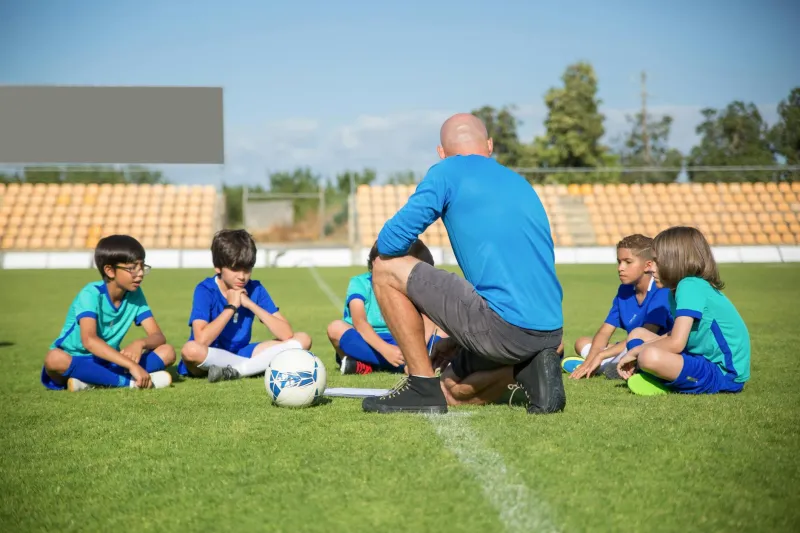
It's 6:30pm on a drizzly Tuesday evening in Rotherham, and Craig Bellamy is setting up cones on a waterlogged training pitch. The former Wales striker, who once commanded transfer fees in the tens of millions and scored in Champions League finals, is now explaining passing angles to a group of 14-year-olds whose biggest worry is whether their mums remembered to pack their boots.
This isn't a charity appearance or a PR stunt. This is Bellamy's new reality — and he wouldn't have it any other way.
"People think I'm mad," he says, wiping rain from his face as another group of youngsters trudges onto the pitch. "I could be sitting in a Sky Sports studio earning decent money for talking about football. Instead, I'm here in the mud with kids who might never play professionally. But this is where the real work happens."
Bellamy isn't alone. Across Britain, a quiet revolution is taking place as former professional athletes swap the spotlight for the sidelines, choosing community impact over corporate comfort.
The Punditry Trap
The traditional path for retired athletes is well-worn and lucrative. Television studios, corporate speaking engagements, coaching roles at elite academies — there's good money to be made from trading on past glories. The media loves a familiar face, and audiences enjoy hearing from their heroes.
But for many former professionals, the punditry circuit feels hollow after the intensity of competition. "You're basically paid to have opinions about other people doing what you used to do," explains former England rugby player Mike Tindall, who now runs coaching sessions at grassroots clubs across the South West. "It's comfortable, but it's not fulfilling."
The numbers tell the story. Of the 500 or so footballers who retire from professional careers each year in England, fewer than 50 end up in grassroots coaching roles. The rest drift into media work, business ventures, or simply disappear from sport entirely. It's a massive waste of knowledge and experience.
The Calling Back to Community
For those who do return to grassroots sport, the motivation is rarely financial. Academy coaching might pay £30,000 a year, while television punditry can earn the same amount for a few days' work per month. But money isn't the driving factor.
"I made my fortune playing football," says former Manchester United midfielder Paul Scholes, who now coaches at youth level in Manchester. "Now I want to give something back to the game that gave me everything. These kids don't care that I played for England — they just want to get better at football."
 Photo: Manchester United, via www.pixelstalk.net
The authenticity of grassroots sport appeals to athletes who spent years in the artificial environment of professional sport. No agents, no transfer speculation, no media circus — just pure sport in its most honest form.
The Knowledge Transfer
What former professionals bring to grassroots sport goes far beyond tactical knowledge. They understand the mental side of competition, the pressure of performance, and the discipline required to succeed at any level.
"I can teach a kid how to take a free kick, but more importantly, I can teach them how to handle the pressure when they're standing over one in the 90th minute," explains former Premier League goalkeeper David James, who now works with young keepers across Hampshire. "That mental strength is what separates good players from great ones, and it's something you can only learn from experience."
The impact on young athletes is profound. Training sessions with former professionals aren't just about improving technique — they're about raising aspirations and changing perspectives on what's possible.
Breaking the Class Ceiling
One unexpected consequence of this trend is the democratisation of elite coaching knowledge. Historically, the best coaching was reserved for those who could afford private academies or elite clubs. Now, kids from ordinary backgrounds are receiving instruction from former internationals at their local clubs.
"I grew up in a council house and never had access to proper coaching until I was 16," says former England cricket captain Alastair Cook, who now runs coaching clinics in state schools across Essex. "If I can give that knowledge to kids earlier, maybe they won't have to wait as long as I did to reach their potential."
This knowledge transfer is particularly valuable in sports where coaching expertise has traditionally been concentrated in wealthy areas. Former professional tennis players working with inner-city clubs, ex-rugby internationals in comprehensive schools, retired cricketers in immigrant communities — they're spreading sporting knowledge far beyond its traditional boundaries.
The Long Game
Unlike television punditry, which offers immediate gratification and regular exposure, grassroots coaching is about playing the long game. Results might not be visible for years, and success is measured in development rather than silverware.
"I might not see the fruits of my labour for a decade," admits former Wales rugby captain Sam Warburton, who now works with junior clubs in Cardiff. "But that's fine. I'm not looking for immediate recognition. I'm looking to create better people through sport."
This patience and long-term thinking is exactly what grassroots sport needs. Too often, volunteer coaches are focused on winning the next match rather than developing players for the future. Former professionals bring a different perspective — they understand that individual development matters more than team results at youth level.
The Ripple Effect
The impact of former professionals in grassroots sport extends beyond the players they directly coach. Their presence elevates entire clubs and communities, attracting better players, more volunteers, and increased local support.
"When Craig started coaching here, everything changed," says Dave Williams, chairman of Rotherham United's youth section. "Parents who'd never been involved started volunteering. Local businesses wanted to sponsor us. The whole club raised its standards because we had someone who'd played at the highest level showing us how things should be done."
This ripple effect is particularly powerful in deprived communities, where sporting role models are often absent. Seeing former professionals choosing to work in their area sends a powerful message about the value and potential of local talent.
The Challenge of Sustainability
Despite the obvious benefits, keeping former professionals engaged in grassroots sport presents challenges. The financial sacrifice is significant, and the lack of career progression can be frustrating for ambitious individuals.
"The system isn't set up to support former pros who want to work in grassroots sport," explains Dr. Sarah Mitchell, who researches athlete transition at Loughborough University. "There's no clear career pathway, limited financial incentives, and often poor working conditions. We're relying on goodwill and personal motivation, which isn't sustainable long-term."
Some former athletes have found creative solutions, combining grassroots coaching with other work or setting up their own academies that bridge the gap between community sport and elite development.
A Different Kind of Legacy
For the former professionals who've made this choice, the rewards are different but no less meaningful than their playing careers. Instead of personal glory, they're building something that will outlast them.
"My medals and trophies will gather dust in an attic somewhere," reflects former Olympic swimmer Rebecca Adlington, who now teaches swimming in Nottingham schools. "But the kids I'm working with now — they'll remember what they learned, and maybe they'll pass it on to the next generation. That's a legacy worth having."
As British sport grapples with issues of elitism, accessibility, and declining participation, perhaps the solution isn't more funding or better facilities. Perhaps it's simply getting our sporting heroes back where they belong — not in television studios, but on training pitches, teaching the next generation that greatness isn't about where you come from, but how hard you're willing to work to get where you're going.