The Writing's on the Waterlogged Wall
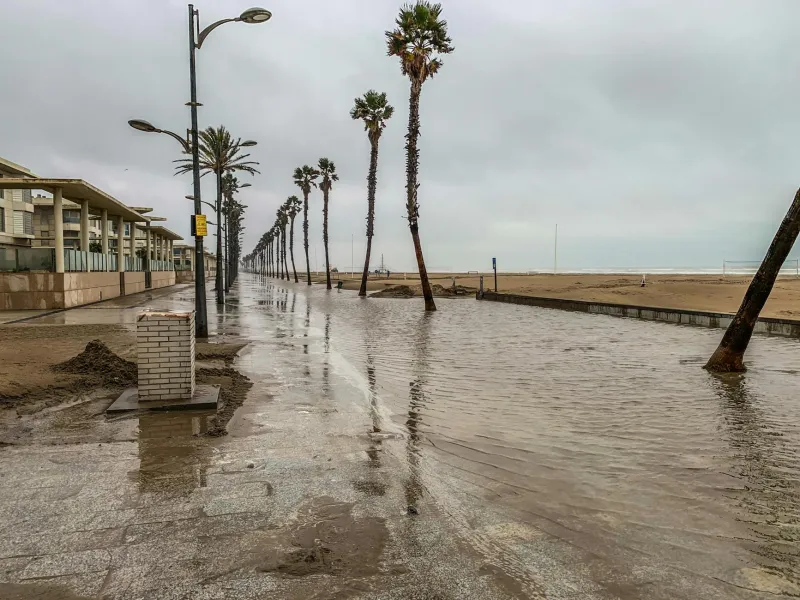
Last weekend, 847 grassroots football matches were cancelled across Britain. Not because of COVID, not because of player strikes, but because Mother Nature decided to remind us who's really in charge. Welcome to the new reality of British sport: where your Saturday afternoon kick-about is increasingly at the mercy of weather patterns that would make Victorian meteorologists weep.
We're living through a climate reckoning that's hitting British sport like a sledgehammer to the shin pads. And frankly, we're not ready for it.
The Numbers Don't Lie
The statistics paint a grim picture that even the most optimistic club secretary can't spin. Winter fixture cancellations have increased by 34% over the past decade. Cricket grounds are flooded more often than they're playable. Tennis courts are cracking under unprecedented heat, then washing away in biblical downpours.
Take Gloucestershire County Cricket Club, where groundsman Steve Williams has worked for 23 years. "I used to worry about getting the pitch right for the season," he tells me. "Now I worry about whether we'll have a season at all. Last year, we lost six weeks to flooding. This year, three weeks to drought, then another month underwater."
It's not just the professional game suffering. Sunday league football – the beating heart of grassroots sport – is hemorrhaging fixtures. Some leagues report losing 40% of their scheduled matches to weather-related cancellations. That's not sport; that's climate lottery.
Innovation Born from Desperation
But here's where British ingenuity starts to shine through the storm clouds. Across the country, forward-thinking clubs and venues are pioneering solutions that could revolutionise how we think about weatherproofing sport.
The Rugby Football Union has invested £2.3 million in artificial pitch technology that can drain 600mm of water per hour – roughly equivalent to emptying a swimming pool every 30 minutes. These aren't the plastic fantastic surfaces of the 1980s; they're high-tech playing fields that feel natural underfoot but laugh in the face of British weather.
Meanwhile, Wimbledon's Centre Court roof – once considered a luxury – now looks like essential infrastructure. The All England Club's investment in covered courts has kept tennis alive during increasingly unpredictable summers. Other venues are taking note.
The Drainage Revolution
Some of the most exciting innovations are happening beneath our feet. Modern drainage systems are transforming waterlogged pitches into playable surfaces within hours rather than weeks.
Norwich City's training ground features a £1.2 million drainage system that includes underground heating, automated sprinklers, and soil sensors that communicate with weather stations. It's like having a conversation between the earth and the sky, mediated by technology.
"We can have 50mm of rain overnight and still train the next morning," explains head groundsman Darren Baldwin. "The system doesn't just drain water – it manages the entire soil ecosystem."
Scheduling for Survival
But technology alone won't save British sport from climate chaos. We need to fundamentally rethink when and how we play.
Some rugby leagues are already experimenting with flexible fixture scheduling – using weather forecasting algorithms to reschedule matches 72 hours in advance rather than cancelling on the day. It's controversial among traditionalists, but it's keeping games alive.
The FA is piloting summer football leagues in regions where winter pitches are increasingly unplayable. Yes, it breaks with 150 years of tradition, but tradition doesn't score goals on a flooded pitch.
The Cost of Doing Nothing
Let's be brutally honest about what's at stake here. Climate change isn't just inconveniencing sport – it's threatening to kill it entirely at grassroots level.
Every cancelled fixture costs money. Every waterlogged season drives volunteers away. Every young player who can't train because the pitch is underwater is a potential future star lost to the PlayStation instead.
The financial impact is staggering. Insurance claims for weather-related sports facility damage have tripled in the past five years. Some grassroots clubs are spending more on pitch maintenance than player development. That's not sustainable – it's sporting suicide.
Learning from the Continents
Perhaps it's time to swallow our pride and learn from countries that have always dealt with extreme weather. Dutch football clubs have been using advanced drainage systems for decades. Scandinavian venues routinely operate in conditions that would shut down British sport entirely.
Artificial turf technology from Germany is now so advanced that FIFA approves it for World Cup qualifiers. These surfaces don't just survive extreme weather – they thrive in it.
The Adaptation Imperative
The uncomfortable truth is that British sport needs to choose: adapt or die. The climate isn't going to return to the predictable patterns our sporting calendar was built around. Those days are gone, probably forever.
We can either embrace innovation – covered stadiums, flexible scheduling, advanced drainage, artificial surfaces – or we can watch our sporting heritage wash away in the next flood.
Some will argue that artificial pitches and covered stadiums strip away sport's authentic connection to the elements. But what's more authentic: playing football on a synthetic surface or not playing at all?
The Window Is Closing
The next decade will determine whether British sport survives the climate crisis or becomes its casualty. We have the technology, we have the expertise, and we have the examples from around the world showing what's possible.
What we need now is the courage to abandon outdated thinking and embrace solutions that might feel foreign but could save our sporting future.
Because when your local football club is underwater for the fourth time this season, tradition becomes a luxury we can no longer afford. The game must go on – but only if we're brave enough to change how we play it.
The climate fight is coming to sport whether we're ready or not. The question isn't whether we'll adapt – it's whether we'll do it in time.