Muddy Boots, Borrowed Bibs, and Boundless Passion: The Grassroots Game That Keeps Britain Ticking
Muddy Boots, Borrowed Bibs, and Boundless Passion: The Grassroots Game That Keeps Britain Ticking
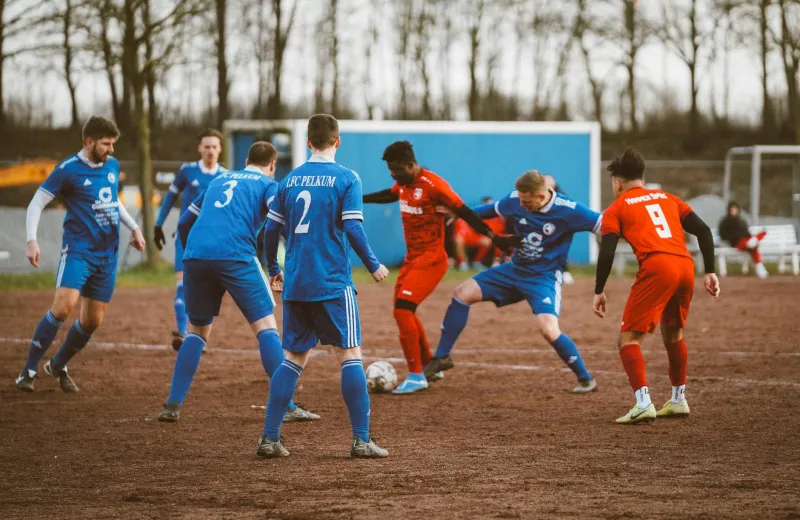
It's 9:15 on a Sunday morning somewhere in Derbyshire. The sky is doing that very British thing where it can't quite decide between drizzle and proper rain. A man named Dave — always a Dave — is dragging a bag of cones out of the boot of his Ford Focus, squinting at a pitch that resembles a rice paddy more than a football field. He's the manager, the kit man, the first-aider, and the bloke who remembered to bring the corner flags. He hasn't been paid a penny. He wouldn't have it any other way.
This is grassroots football. And without it, British football is nothing.
The Invisible Backbone of the Beautiful Game
The Premier League will generate somewhere north of £6 billion in revenue this season. Sponsors will plaster their logos across shirts worn by millionaires. Pundits will debate VAR decisions in heated studio arguments that feel like matters of national importance. And yet, for every Erling Haaland threading a pass into the top corner, there are ten thousand blokes in mismatched kits doing the same thing — just with a bit more mud and considerably more banter.
According to the Football Association, over 7,000 clubs are affiliated across England alone, with millions of registered players ranging from under-sevens to veterans pushing sixty. Scotland, Wales, and Northern Ireland add tens of thousands more. These aren't fringe figures. This is British football at its truest, most honest form.
"People think football is what they see on the telly," says Anita Osei, who has been volunteering as a youth coordinator for a community club in Wolverhampton for eleven years. "But we've got kids here who've never been to a professional game. This pitch, these sessions — this is their football. And it matters just as much."
The Characters Who Make It All Work
Every Sunday league has its cast of unforgettable characters. There's the goalkeeper who insists on wearing gloves even in July. The striker who swears he had a trial at Coventry in 1998 and brings it up at every opportunity. The referee — usually a teenager earning a tenner — who develops the thousand-yard stare of a war correspondent by half-time.
And then there are the volunteers. The real MVPs.
Take Colin Marsh, 58, who has run the Under-12s at Hartlepool-based Rossmere FC for nearly two decades. He washes the kits at home, fixes the goalposts with cable ties, and once drove four hours to a cup game in a minibus with a dodgy heater. His players have gone on to play county football, semi-professionally, and one — now 24 — is currently in the National League. Colin doesn't take credit. He just smiles and says he was "just there."
That quiet dedication is the heartbeat of grassroots sport. No fanfare. No Instagram reel. Just an unwavering commitment to showing up, week after week, for the love of it.
Quirky Traditions You Won't Find at the Etihad
Grassroots football has its own rich tapestry of rituals and customs that no top-flight club could ever replicate — nor would they want to.
There's the legendary post-match tea and biscuits in a pavilion that smells permanently of liniment and damp towels. The trophy presentation at the local pub where the league secretary reads out the winners from a crumpled piece of paper. The annual six-a-side tournament that somehow always ends in a row about whether a goal was offside, despite the fact nobody was actually keeping track.
In South Wales, one valley league has handed out the same slightly dented "Player of the Season" trophy since 1987. In a village outside Norwich, a Sunday league club still plays in the same amber-and-black strip that was ordered by mistake in 1993 and has been their identity ever since. These aren't embarrassments — they're treasures.
Why It Matters More Than Ever
At a time when the cost-of-living crisis has squeezed family budgets and screen time competes fiercely with outdoor activity, grassroots football clubs are doing something quietly extraordinary. They're getting kids off sofas. They're giving adults a reason to leave the house. They're creating communities in places that desperately need them.
Mental health charities have repeatedly highlighted the role of local sport in combating isolation, anxiety, and depression. For many players — particularly men in their thirties and forties — Sunday football is the one fixed point in a hectic week where they feel part of something bigger than themselves.
"I was going through a really rough patch after my dad died," admits Liam, a 34-year-old central midfielder from Leeds. "Coming here every Sunday, having the lads around me — it kept me going. It sounds daft, but football saved me a bit."
It doesn't sound daft at all. It sounds exactly right.
The Funding Fight
For all its beauty, grassroots football faces real and pressing challenges. Pitch hire costs have soared. Referee shortages are reaching crisis point — the FA has warned repeatedly that abuse of match officials is driving young referees out of the game at an alarming rate. Changing facilities at many parks grounds are, to be polite, rudimentary. To be honest, they're often grim.
The Premier League's grassroots funding commitments have increased in recent years, and initiatives like the Football Foundation have delivered hundreds of new 3G pitches across the country. But many clubs still operate on a shoestring, relying on player subs, car boot sales, and the goodwill of local businesses to keep the lights on.
More investment is needed. Not as charity. As recognition of what these clubs genuinely provide.
The Pulse That Never Stops
Next time you're watching a Premier League match in glorious HD, take a moment to think about what came before the broadcast deal, before the academy system, before the agent and the contract and the sponsored boots.
It started on a pitch like Dave's. With a bag of cones, a referee who's doing their best, and twenty-two people who just love playing football.
The grassroots game isn't the foundation of British football. It is British football. Everything else is just the glamorous bit on top.
So here's to the Daves. The Anitas. The Colins. The slightly dented trophies and the waterlogged pitches and the tea that's always a bit too milky. You are the real pulse of the beautiful game — and SportsPulse UK is proud to say so.