The Revolution Hiding in Plain Sight
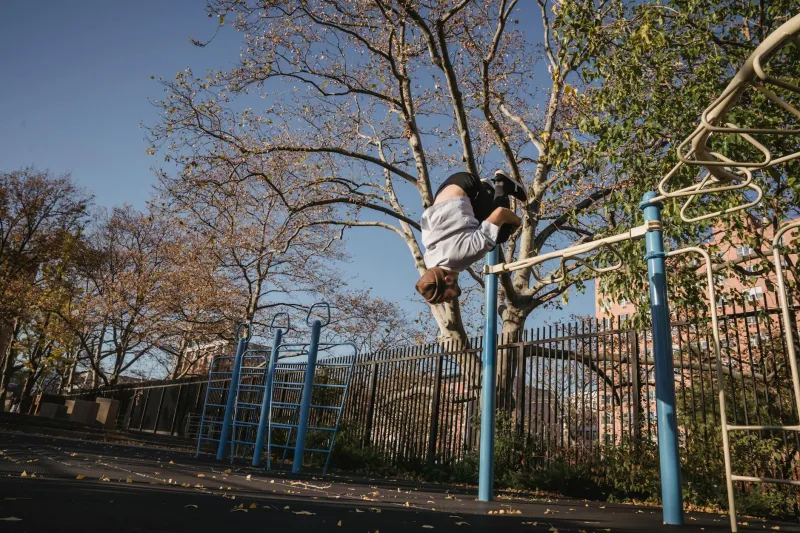
Every morning at 6am, while most of Manchester sleeps, 19-year-old Kai Thompson is already three hours into his training routine. His gym? A concrete underpass beneath the M60. His equipment? Nothing but his body, a pair of worn trainers, and an unshakeable belief that greatness doesn't need grass.
Kai is a parkour athlete, one of thousands of young Brits who've turned urban landscapes into sporting arenas. He's also something that traditional sport barely recognises: a world-class athlete who's never set foot in a purpose-built facility.
"People see what I do and think it's just messing about," Kai explains, gesturing toward the concrete walls and metal railings that form his daily training ground. "But I'm training harder than most footballers, just without the million-pound facilities."
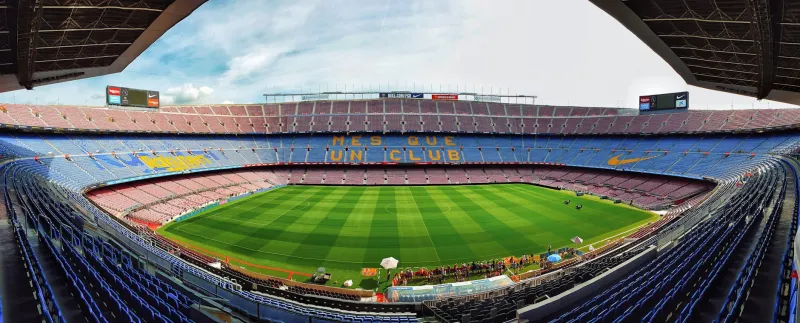
He's not wrong. While British sport continues its obsession with state-of-the-art stadiums and pristine playing surfaces, an entire generation of athletes is proving that concrete can be just as effective as grass – and often more creative.
The Urban Underground
Across Britain's cities, similar scenes are playing out daily. In London's South Bank, skateboarders are perfecting tricks that would make Olympic competitors weep. Along Birmingham's canals, free runners are developing the kind of spatial awareness that would benefit any sport. In Liverpool's tower block car parks, street footballers are honing skills that La Liga scouts would kill for.
What unites these athletes isn't just their urban environment – it's their complete independence from traditional sporting structures. No governing bodies, no expensive memberships, no waiting lists for facilities. Just pure, undiluted athletic ambition meeting creative problem-solving.
Take Zara Ahmed, a 22-year-old from Bradford who's become one of Britain's top female street football players. Her training ground is a concrete basketball court behind a secondary school, complete with broken glass and uneven surfaces.
"Traditional football coaches would have a heart attack seeing where I train," Zara laughs. "But playing on perfect grass doesn't teach you how to adapt, how to read surfaces, how to make magic happen in impossible spaces. The street teaches you things no academy ever could."
The Skills That Academies Can't Teach
This is the dirty secret that traditional British sport doesn't want to acknowledge: urban athletes are developing skills that formal training often fails to produce. The unpredictability of street environments creates athletes who are more adaptable, more creative, and often more mentally resilient than their academy-trained counterparts.
Consider the skateboarding scene in Newcastle, where teenagers are landing tricks on homemade ramps that wouldn't look out of place at the Olympics. Or the climbing community in Sheffield, where abandoned buildings and concrete structures are producing world-class boulderers.
"Street athletes have something you can't coach – necessity," argues Dr Marcus Webb, a sports sociologist at Leeds University who's spent years studying urban sport. "When you're training in an environment that's constantly changing, constantly challenging you, you develop a different kind of intelligence."
This intelligence is starting to show results on the world stage. British street sports are punching well above their weight internationally, often with athletes who've never received formal coaching or accessed traditional facilities.
The Talent Pipeline Problem
But here's where the story gets frustrating. While these urban athletes are developing world-class skills, British sport's traditional pathways are largely ignoring them. The gap between street-level talent and elite recognition remains vast.
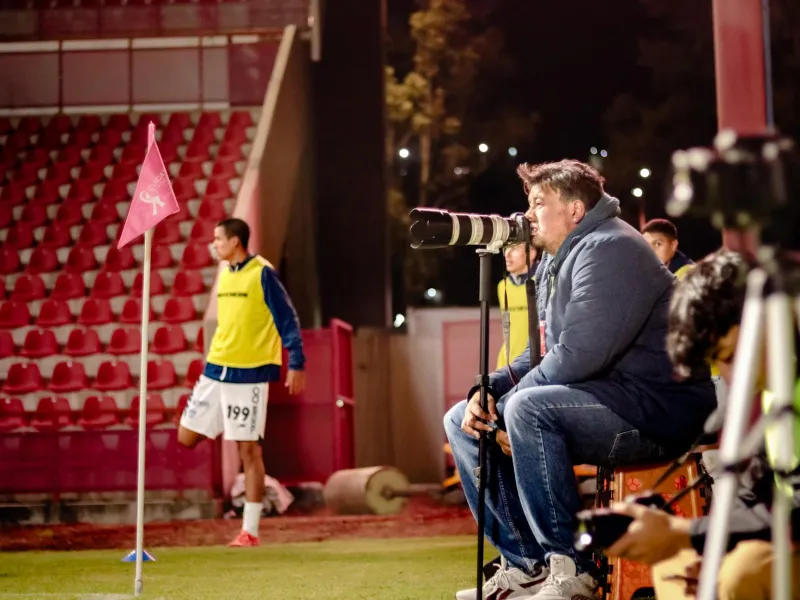
"I've been training for eight years, competing internationally, and most people still don't know parkour is a sport," admits Thompson. "Meanwhile, football academies are scouting 12-year-olds and giving them professional contracts. The system's completely backwards."
The numbers support his frustration. British urban sports consistently outperform traditional expectations at international competitions, yet receive a fraction of the funding and recognition. When was the last time you saw a street footballer on Sports Personality of the Year?
This disconnect isn't just unfair – it's strategically stupid. Other nations are already recognising the potential of urban sport. France has integrated parkour into military training. Japan is using street skating techniques in Olympic preparation. Meanwhile, Britain continues to pretend that real sport only happens on manicured pitches.
The Cultural Barrier
Part of the problem is cultural. British sport has always been obsessed with tradition, with doing things 'properly'. The idea that a car park could produce better athletes than a purpose-built facility challenges everything the establishment believes.
"There's definitely snobbery," admits Sarah Chen, who runs a youth programme that bridges street and traditional sports. "Urban sport is seen as rough, unstructured, somehow less legitimate. But the athletes I work with have discipline that would shame most academy players."
This snobbery isn't just limiting opportunities – it's wasting potential. Urban athletes bring qualities that traditional sport desperately needs: creativity, adaptability, and a hunger that comes from having to fight for every opportunity.
The Facilities Myth
Perhaps the biggest myth in British sport is that you need perfect facilities to produce perfect athletes. Urban sport is proving this spectacularly wrong.
"Give me a motivated kid and a concrete wall, and I'll show you more progress than most fancy academies produce," claims Lee Murphy, a former professional footballer who now coaches street soccer in Glasgow. "The environment doesn't make the athlete – the athlete makes the environment."
This philosophy is producing remarkable results. Urban training often involves higher intensity, more creativity, and better problem-solving than traditional methods. When space is limited and equipment is improvised, athletes learn to maximise every opportunity.
The Integration Opportunity
The solution isn't to abandon traditional sport – it's to integrate the best of both worlds. Some forward-thinking clubs and coaches are already doing this, bringing urban athletes into their programmes and adopting street training methods.
Manchester City's academy recently hired a parkour coach to work with their young players. The results have been remarkable – better balance, improved spatial awareness, and enhanced creativity in tight spaces.
"Urban sport teaches you to see opportunities where others see obstacles," explains the academy's head of development. "That's exactly the mindset we want our players to have."
The Future is Concrete
As traditional sport continues to price out working-class families and restrict access to facilities, urban sport offers something different: a meritocracy where talent rises regardless of background or budget.
The question facing British sport is simple: will we recognise and nurture this talent, or will we continue to pretend that greatness only happens in purpose-built facilities?
The urban athletes aren't waiting for an answer. They're too busy training, competing, and proving that the future of British sport might not need grass at all.
In concrete car parks and canal towpaths across the country, the next generation of sporting heroes is already hard at work. The only question is whether traditional sport will be smart enough to notice.