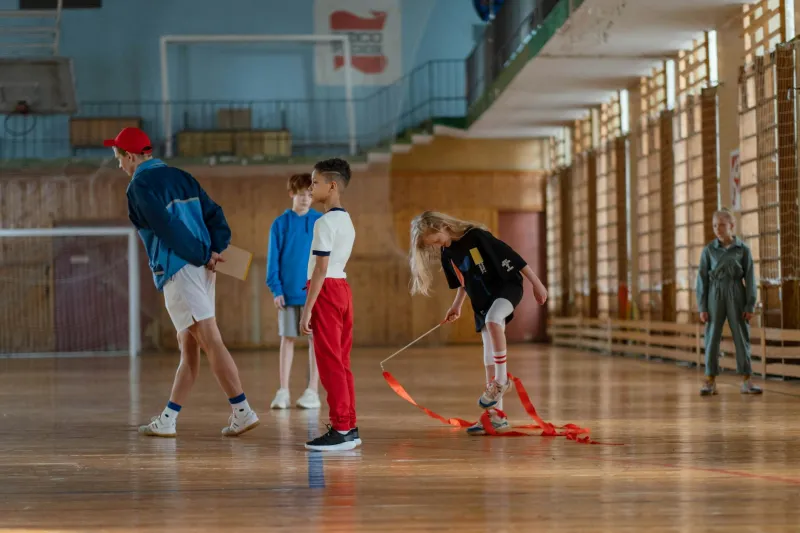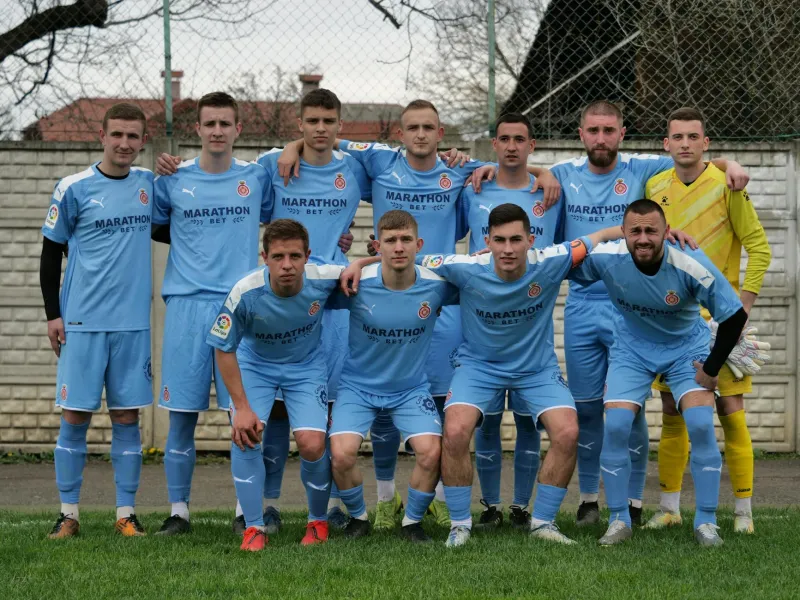
Walk into any non-league football clubhouse on a Saturday afternoon and you'll spot them immediately – the faded team photos where the shirts bear no logos, just plain fabric stretched across hopeful chests. These are Britain's sporting underdogs in the truest sense: clubs that exist purely because someone, somewhere, refuses to let them die.
The Arithmetic of Survival
Take Westbury United FC, a Step 6 outfit in Wiltshire. Their annual budget? £8,000. Their corporate sponsorship income? Precisely zero pounds and zero pence. Secretary Malcolm Peters has run the numbers so many times he could recite them in his sleep: "Kit costs us £400, pitch hire another £2,000, league fees £300. Everything else comes from the tea bar, the Christmas raffle, and hoping someone's mum makes extra sandwiches."
It's a familiar story echoing across Britain's sporting landscape. From amateur swimming clubs training in Victorian pools to cycling teams whose biggest expense is petrol for the support car, thousands of sporting outfits survive on a financial knife-edge that would make Premier League accountants weep.
The Bridgwater Otters Swimming Club operates from a 1960s leisure centre with a leaking roof and temperamental heating. Their 47 members pay £15 monthly subscriptions that barely cover pool hire. Club treasurer Sarah Mitchell laughs when asked about sponsorship: "We tried approaching local businesses for three years. One garage offered us £50 if we put their sticker on our noticeboard. We took it."
The Creativity of Desperation
What emerges from these financial constraints isn't just survival – it's innovation born from necessity. Clubs become masters of the community fundraiser, turning every social occasion into a revenue stream. Car boot sales, quiz nights, sponsored walks where the prize money comes from the entry fees.
Northampton Town Cricket Club hasn't had a shirt sponsor since 1987, but they've perfected the art of the community event. Their annual beer festival raises £3,000 in a weekend, enough to cover equipment for the entire season. "We're not just a cricket club anymore," explains chairman Dave Roberts. "We're event organisers, caterers, and accountants who occasionally play cricket."
The ingenuity extends to equipment sharing networks that would impress any logistics company. Rugby clubs in the West Country have developed an informal system where kit travels between teams based on fixture lists. Goalposts migrate across counties, training cones appear and disappear like migratory birds, and everyone pretends not to notice when the same set of corner flags shows up at different grounds.
What Gets Sacrificed
But survival comes at a cost that goes beyond balance sheets. Development programs become impossible when every penny goes on basic operations. Youth coaching suffers when volunteers can't afford training courses. Facilities deteriorate because maintenance budgets don't exist.
"We've got lads with genuine talent," admits Peters from Westbury United. "But we can't afford to enter them in cup competitions or pay for coaching badges. We're keeping the game alive, but we're not developing it."
The psychological toll affects volunteers too. Club secretaries become expert jugglers, balancing player registrations against insurance payments, weighing up whether to fix the changing room roof or buy new training equipment. The stress of constant financial uncertainty drives good people away from roles that should be about passion, not poverty.
The Missing Links
What's particularly frustrating is how achievable solutions remain just out of reach. A local plumber's van signage deal worth £200 could cover a club's insurance for a year. A pub's commitment to host monthly quiz nights might fund an entire youth team. Small businesses that spend thousands on Google ads overlook the community engagement sitting on their doorstep.
"Businesses complain about losing connection with their communities," observes Mitchell from the swimming club. "Here we are, 47 families who shop locally, work locally, live locally. We're not asking for thousands – just recognition that we exist."
The sponsorship landscape has become so dominated by professional sport that grassroots clubs feel invisible. Local newspapers focus on Premier League transfers while the team representing their actual town struggles to afford league registration.
The Reckoning Approaches
Post-pandemic recovery has pushed many clubs closer to the edge. Facility hire costs have risen, insurance premiums have jumped, and the volunteer base has shrunk. The arithmetic of survival that worked in 2019 doesn't balance in 2025.
Some clubs have already made the ultimate sacrifice. Three football teams in Cumbria folded last season not through lack of players or passion, but because they couldn't afford the basic costs of existence. Their grounds now host dog walkers instead of defenders.
Why This Matters Beyond Sport
These clubs represent more than weekend entertainment. They're community anchors, providing structure for young people, social connection for adults, and identity for entire neighbourhoods. When they disappear, something irreplaceable vanishes with them.
The solution isn't complex. It requires local businesses to look beyond their immediate profit margins and recognise the community infrastructure that surrounds them. A garage, a restaurant, an accountancy firm – each could transform a struggling club's prospects with support that represents pocket change in their annual budgets.
The Call to Action
Britain's sporting heritage wasn't built by corporations or television deals. It grew from communities that cared enough to kick a ball around a field, swim lengths in a local pool, or hit boundaries on a village green. Those communities still exist, still care, and still need support.
The question isn't whether these clubs can survive without sponsorship – they're proving that every weekend. The question is whether we want them to merely survive or actually thrive. The answer to that lies not in boardrooms or government offices, but in the small businesses and big hearts of local Britain.
Before the next club secretary has to choose between league fees and equipment, before another set of goalposts gets sold to keep the lights on, perhaps it's time to remember that sport's greatest sponsor has always been community itself.